Navigating the financial aspects of marriage can feel overwhelming, especially when considering legal agreements like prenuptial and postnuptial agreements. Whether you’re planning to marry or already tied the knot, understanding the differences between a prenup vs postnup can help you make informed decisions about protecting your financial future.
What Are Prenups and Postnups?
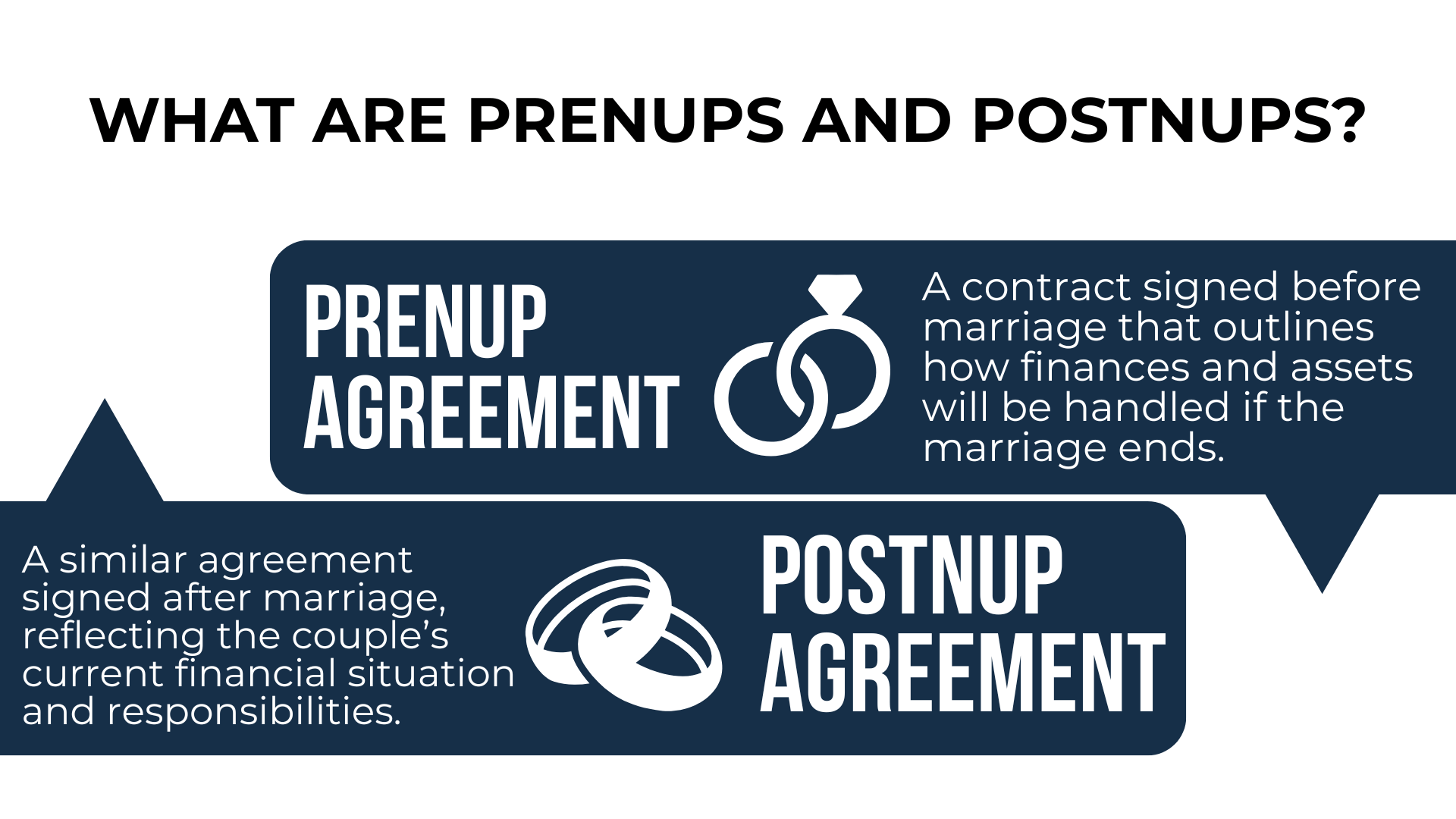
Prenuptial Agreement (Prenup): A legal contract signed before marriage that outlines how assets, debts, and financial responsibilities will be divided if the marriage ends.
Postnuptial Agreement (Postnup): A similar contract signed after marriage that addresses the same financial concerns but reflects the couple’s circumstances during marriage.
Both agreements have become increasingly common as couples seek to proactively manage financial expectations. According to the U.S. Census Bureau’s 2021 data, with a divorce rate of 6.9 per 1,000 marriages, these agreements offer valuable protection and clarity.
Prenup vs Postnup: The Key Differences
Understanding when and why to use each agreement is crucial for making the right choice:
1. Timing Makes All the Difference
- Prenups: Must be signed before the wedding, ideally at least 28 days prior to avoid claims of coercion
- Postnups: Signed after marriage, typically when financial circumstances change or to address issues not covered pre-marriage
2. Legal Requirements and Scrutiny
The legal landscape differs significantly between prenup vs postnup agreements:
- Prenups:
- The mutual promise to marry generally serves as sufficient consideration
- Face lower legal scrutiny since no fiduciary duty exists before marriage
- Generally enforceable if fair and voluntary
- Postnups:
- May require additional consideration (such as asset exchange) in some states like New York
- Subject to higher legal standards due to the fiduciary relationship between spouses
- Some states require separate lawyers for enforceability
- May be unenforceable if signed too close to divorce (within 2 years in some states)
3. Primary Purpose and Use Cases
When to Choose a Prenup:
- Protecting premarital assets, business interests, or expected inheritances
- Second marriages with children from prior relationships
- Clarifying financial expectations before marriage
- Protecting estates or family heirlooms
When to Choose a Postnup:
- Addressing assets acquired during marriage
- Responding to significant financial changes (inheritance, job loss, new debts)
- When no prenup was signed but couples want to formalize agreements
- After accumulating substantial assets or debts during marriage

What Both Agreements Have in Common
Despite their differences, prenup vs postnup agreements share several important features:
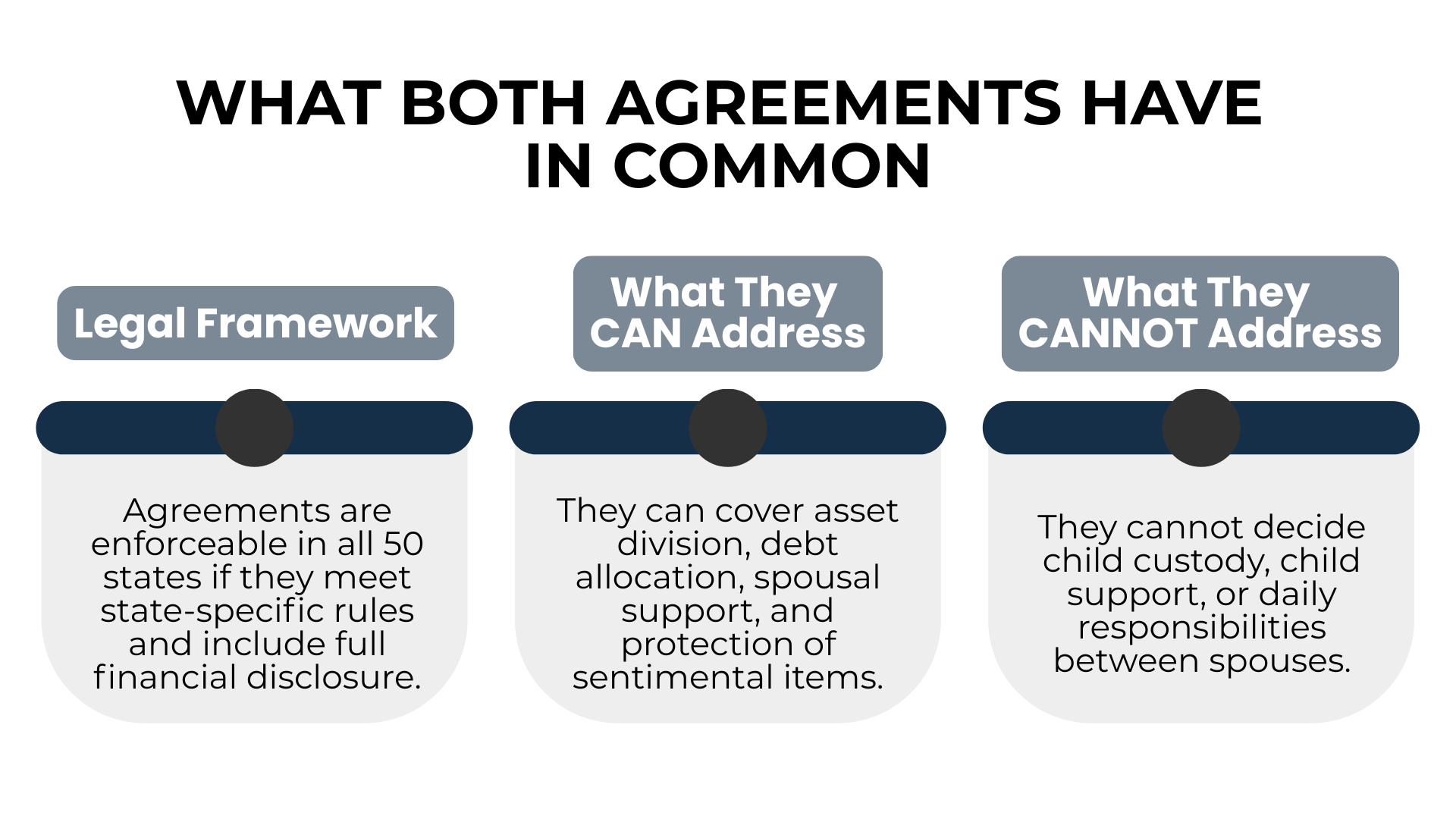
Legal Framework
- Both are legally binding contracts recognized in all 50 U.S. states
- Enforceability depends on meeting state-specific requirements
- Both require full and honest financial disclosure
What They Can Address
✓ Division of assets (real estate, retirement benefits)
✓ Debt allocation
✓ Spousal support (alimony) terms
✓ Protection of heirlooms or sentimental items
What They Cannot Address
✗ Child custody arrangements
✗ Child support obligations
✗ Daily spousal responsibilities
✗ Clauses encouraging divorce (weight gain or pet custody clauses may be deemed frivolous)
Important Legal Considerations
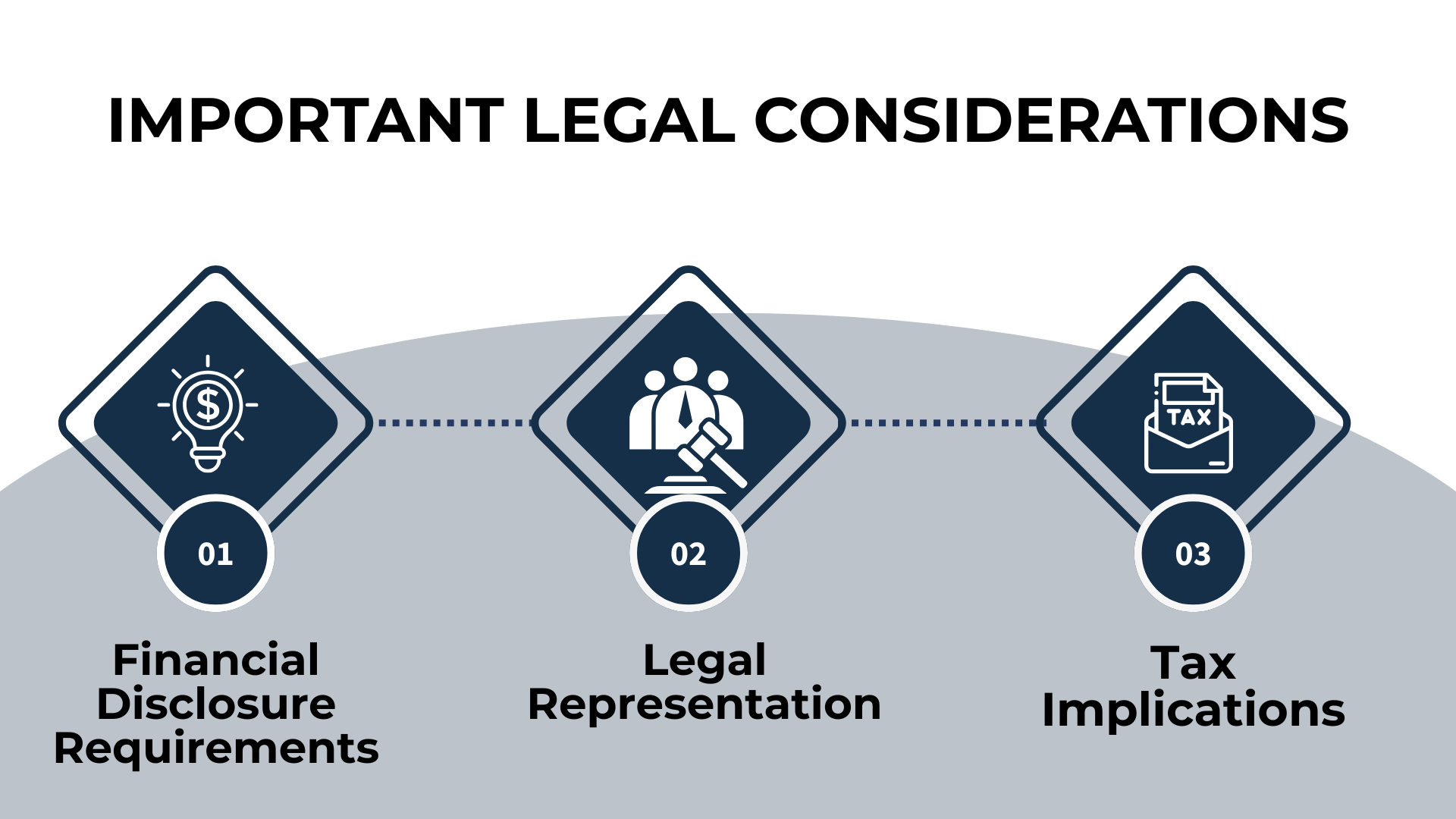
Financial Disclosure Requirements
Both agreements require complete transparency. Failure to fully disclose assets, debts, and income can render either agreement invalid.
The Importance of Legal Representation
While not always mandatory, having separate attorneys for each spouse is strongly recommended to:
- Ensure fairness and legal compliance
- Protect against claims of coercion
- Increase enforceability, especially for postnups
Tax Implications
For agreements entered before 2019, alimony payments may be tax-deductible for the payer and taxable for the recipient. Post-2019 agreements typically don’t have this tax benefit.
Frequently Asked Questions
Do I Really Need a Lawyer?
Engaging separate attorneys for each spouse is strongly advised to ensure the agreement is fair, legally sound, and enforceable. This is particularly critical for postnups, where some states mandate independent counsel.
How Much Do These Agreements Cost?
Costs vary based on complexity and attorney fees, ranging from a few hundred to several thousand dollars. However, this is often less expensive than contested divorce proceedings.
Can These Agreements Be Modified?
Yes, both prenups and postnups can be amended with mutual consent, provided legal procedures are followed to ensure validity.
Are These Agreements Only for Wealthy Couples?
While often associated with high-net-worth individuals, anyone with significant assets, debts, or specific financial goals can benefit from these agreements.
What If My Partner Refuses to Sign?
No one can be forced to sign. Refusal may prompt discussions about trust and financial expectations, but coercion invalidates the agreement.

Emotional Considerations: Having the Conversation
Discussing prenup vs postnup agreements can be sensitive, as some view them as implying distrust. However, proponents argue they foster transparency and security. When approaching this topic:
- Frame it as financial planning, not planning for divorce
- Be transparent about your concerns and goals
- Listen to your partner’s perspective
- Consider couples counseling if discussions become difficult

Making the Right Choice for Your Relationship
Choosing between a prenup vs postnup depends on your timing and circumstances:
Consider a Prenup if you:
- Have significant premarital assets
- Own a business or professional practice
- Expect to receive an inheritance
- Have children from a previous relationship
- Want clarity before saying “I do”
Consider a Postnup if you:
- Didn’t sign a prenup but now see the value
- Have experienced significant financial changes during marriage
- Need to address new assets or debts
- Want to update financial agreements based on current circumstances

The Bottom Line
Prenuptial and postnuptial agreements are powerful tools for couples to safeguard their financial interests and establish clear expectations in marriage. While prenups are particularly useful for protecting premarital assets, postnups offer flexibility to address changes during marriage.
Both require careful drafting, full financial disclosure, and ideally, separate legal counsel to ensure enforceability. Despite potential emotional challenges, these agreements can prevent costly disputes and provide peace of mind.
Remember, these agreements aren’t about planning for failure—they’re about creating financial transparency and protecting both partners’ interests. Couples should consult experienced family law attorneys to tailor agreements to their specific needs, ensuring compliance with state laws and fostering a foundation of financial trust.
Whether you choose a prenup vs postnup, the most important factor is open, honest communication with your partner about your financial future together.