Executive Summary: The landscape of athlete brand rights has transformed dramatically with the 2025 House v. NCAA settlement, creating unprecedented opportunities for athletes to monetize their name, image, and likeness (NIL). This comprehensive guide provides athletes, parents, and coaches with actionable strategies to protect and maximize brand value while avoiding costly legal pitfalls.
Introduction: Your Brand Is Your Most Valuable Asset
Whether you’re a college athlete navigating the new NIL landscape or a professional athlete building your career, your brand represents more than just your athletic achievements—it’s your financial future. Yet many athletes unknowingly leave their brands vulnerable to unauthorized use, restrictive contracts, and missed opportunities that can cost millions over a career.
The recent seismic shifts in athlete compensation rights have created both enormous opportunities and complex challenges. With colleges now able to pay athletes directly and a $2.8 billion back-payment fund established for past restrictions, the stakes for protecting athlete brand rights have never been higher.
This guide breaks down the essential steps every athlete needs to take to safeguard their brand, maximize earning potential, and build lasting value from their athletic success.
Understanding the New NIL Landscape
The June 6, 2025 House v. NCAA settlement fundamentally changed how college athletes can profit from their talents. Schools can now distribute approximately $20.5 million annually to athletes starting in the 2025-26 season, with a 4% annual increase over the agreement’s 10-year term.
For college athletes, this means navigating a complex web of NCAA regulations, school policies, and state laws while building their brand. Professional athletes, meanwhile, continue to rely on established trademark and publicity rights frameworks, though without the benefit of a unified federal standard.
The key to success in this environment is understanding that your brand extends far beyond game-day performance. It encompasses your name, nickname, signature, image, voice, and even catchphrases you might develop. Each element requires strategic protection to prevent others from profiting from your hard work without compensation.
Essential Steps to Protect Your Brand
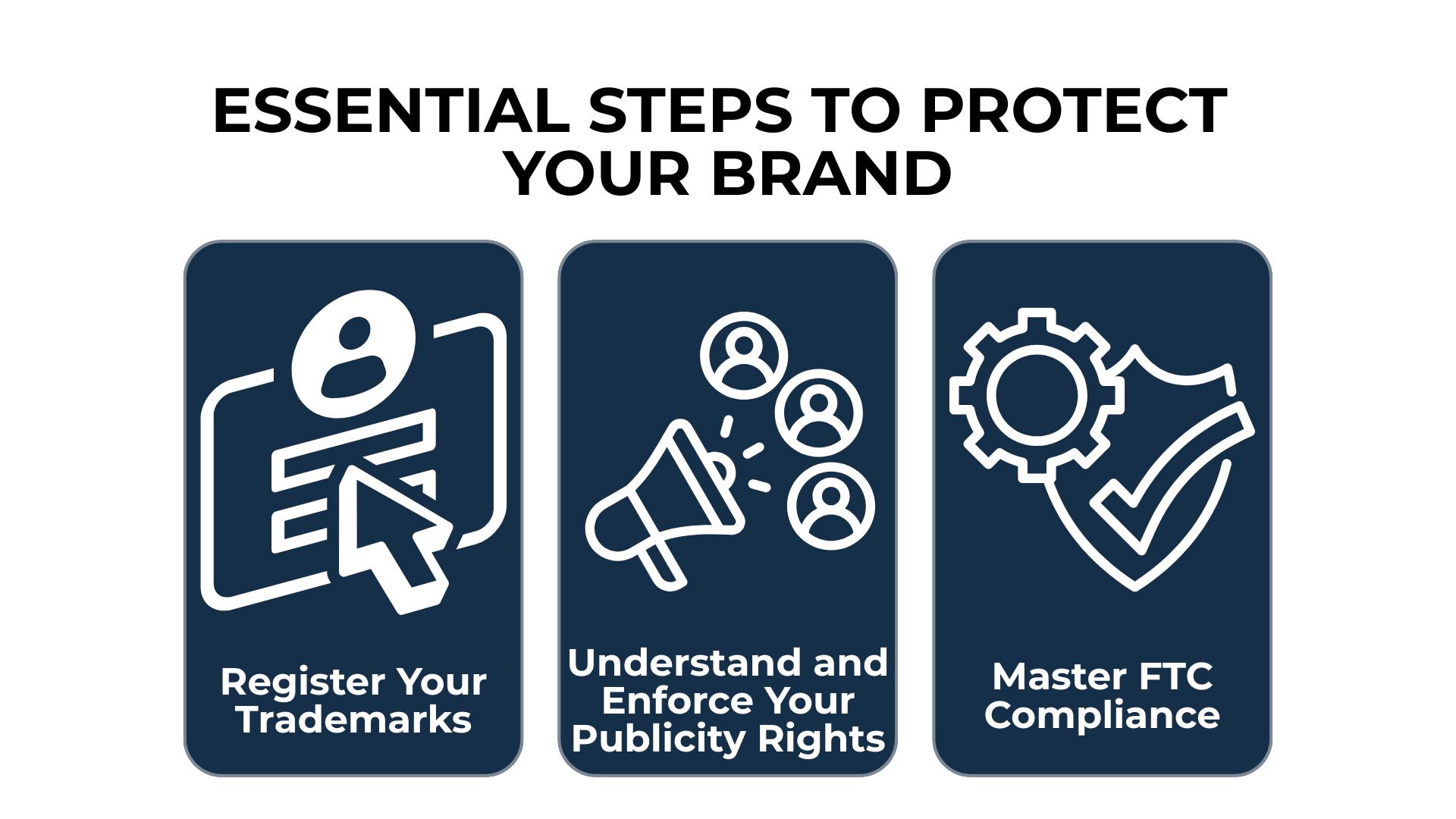
1. Register Your Trademarks
Trademark registration serves as your first line of defense in protecting athlete brand rights. Start by identifying your unique brand elements—your name, logo, signature celebration, or memorable catchphrase. Once identified, search the USPTO database to ensure your desired marks are available.
The application process requires specifying the class of goods or services where you’ll use the mark, such as apparel or endorsement services. While there is a USPTO fee per class, investing an additional $500-$2,000 in legal assistance can help avoid costly mistakes that could leave your brand exposed.
2. Understand and Enforce Your Publicity Rights
Your right of publicity protects against unauthorized commercial use of your identity. This protection varies by state, with some offering more robust frameworks than others. Regular monitoring of media, merchandise, and digital platforms helps identify unauthorized uses early.
When you discover infringement, swift action is crucial. A cease and desist letter from an attorney often resolves issues without litigation, but be prepared to enforce your rights in court if necessary. The key is establishing a pattern of consistent enforcement—allowing some uses while challenging others can weaken your legal position.
3. Master FTC Compliance
The Federal Trade Commission requires clear disclosure of all sponsored content. Using hashtags like “#ad” or “#sponsored” in prominent positions isn’t just good practice—it’s the law. Non-compliance risks both financial penalties and reputational damage that can impact future endorsement opportunities.
Navigating Contracts and Endorsements
Every endorsement deal or licensing agreement shapes your brand’s future. Before signing, carefully review terms related to scope, exclusivity, and compensation. Watch for overly restrictive clauses that might prevent you from pursuing other opportunities or limit your control over how your image is used.
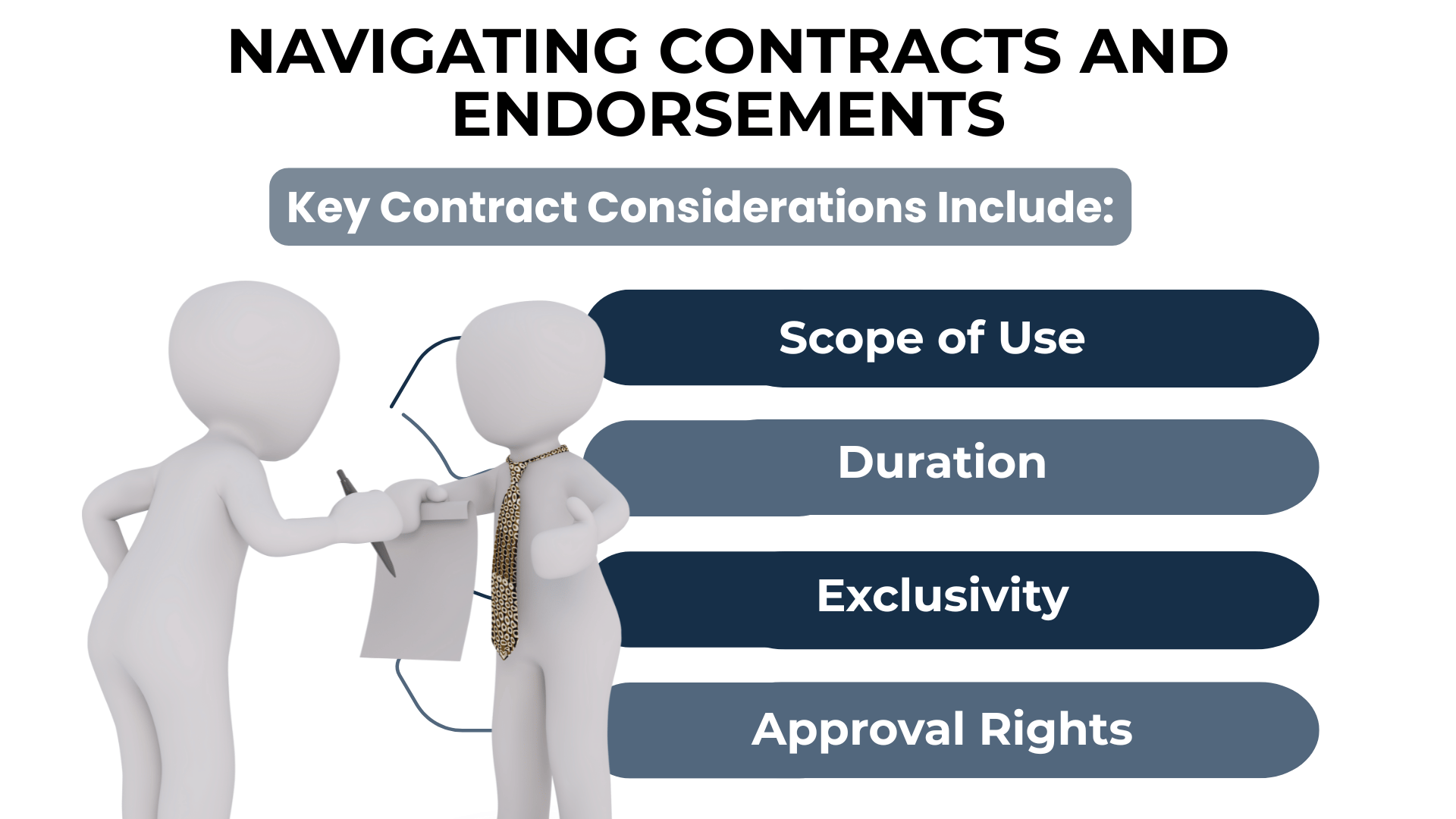
Key contract considerations include:
- Scope of Use: Exactly how can the company use your name and image?
- Duration: How long does the agreement last, and what are the renewal terms?
- Exclusivity: Are you prevented from working with competitors?
- Approval Rights: Do you have a say in how your brand is presented?
Investing $300-$3,000 in legal review for contracts can save hundreds of thousands in lost opportunities down the road.
Common Pitfalls and How to Avoid Them
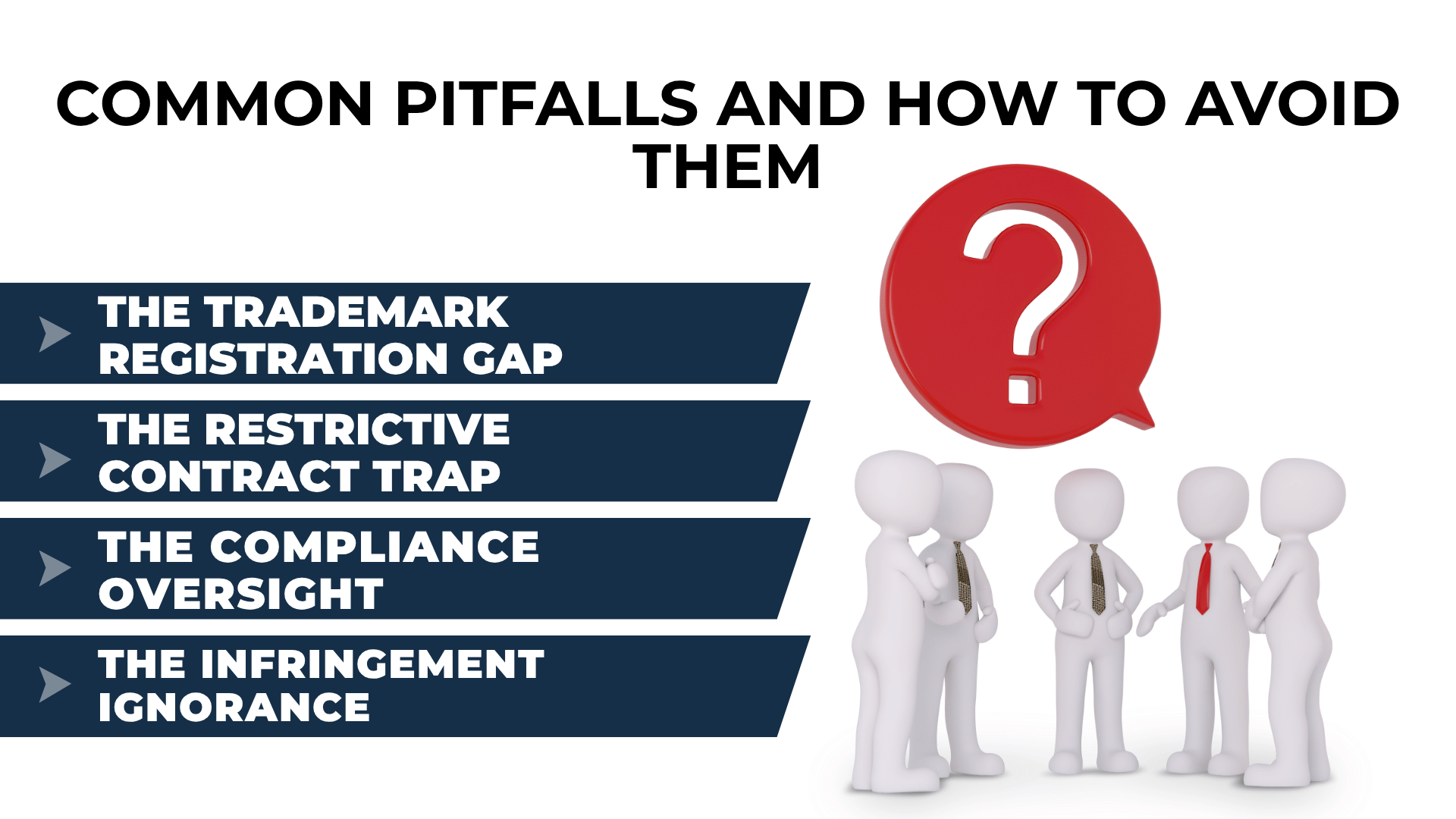
The Trademark Registration Gap
Many athletes assume their fame automatically protects their brand. Without formal trademark registration, enforcing your rights becomes significantly more difficult and expensive. Start the registration process early in your career, even before major endorsement deals materialize.
The Restrictive Contract Trap
Eager to secure their first deals, young athletes often sign agreements with terms that severely limit future opportunities. Never sign a contract without legal review, no matter how standard it seems or how much pressure you face to decide quickly.
The Compliance Oversight
Failing to properly disclose sponsored content might seem minor, but FTC violations can trigger investigations, fines, and damaged relationships with sponsors. Develop a consistent disclosure system and apply it to every sponsored post across all platforms.
The Infringement Ignorance
Ignoring unauthorized use of your brand might seem easier than confronting it, but this approach allows others to profit from your success while potentially diluting your brand value. Establish a monitoring system and address violations promptly.
The Financial Side of Brand Protection
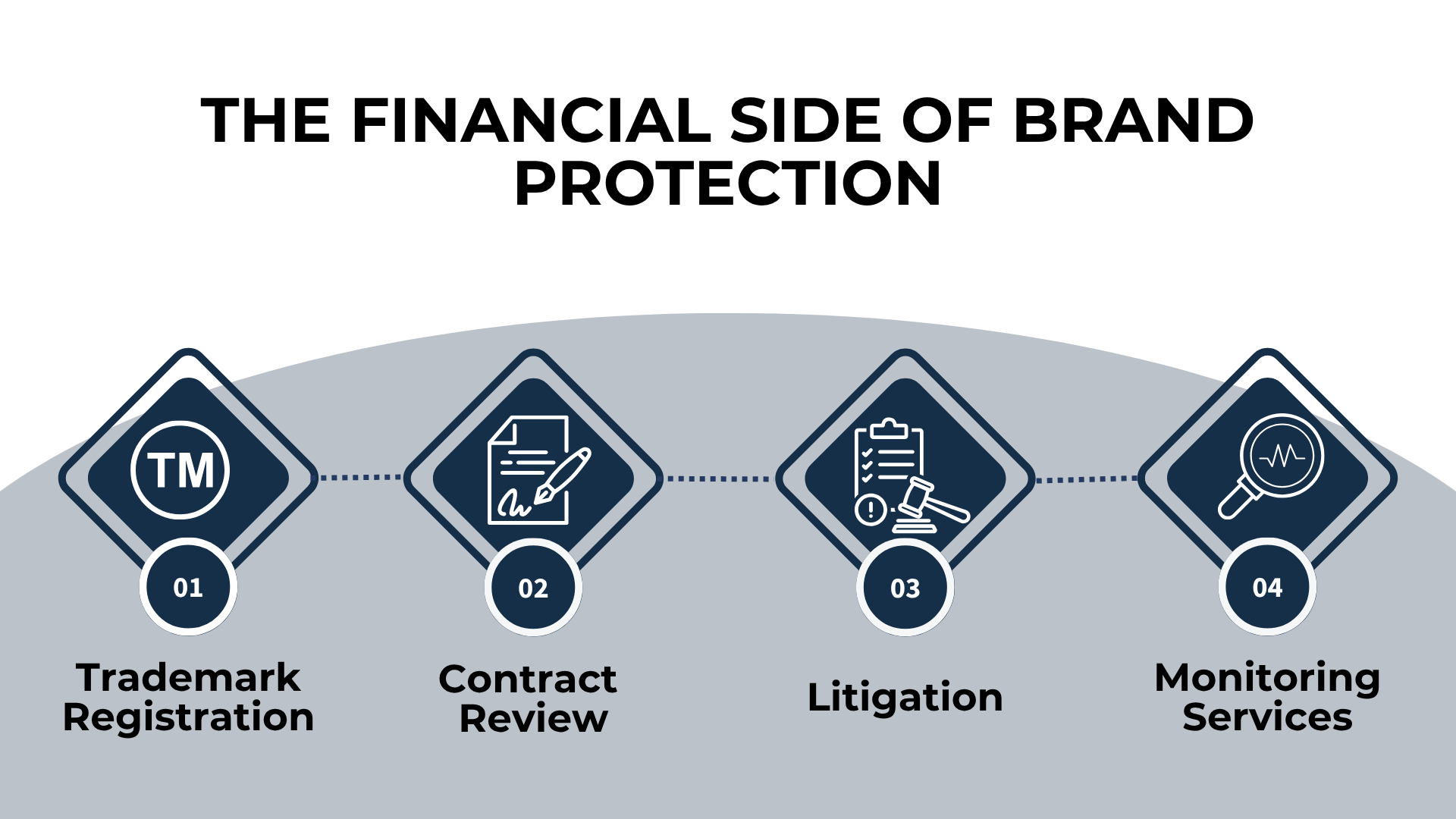
Understanding the costs involved in protecting athlete brand rights helps you budget appropriately:
- Trademark Registration: $250 per class in USPTO fees, plus $500-$2,000 in legal fees
- Contract Review: $300-$3,000 depending on complexity
- Litigation: $10,000-$100,000+ based on case scope
- Monitoring Services: $500-$5,000 annually
While these costs might seem substantial, they pale in comparison to the potential losses from unprotected brands. Consider them essential investments in your financial future.
Emerging Threats to Athlete Brands
The rise of AI-generated content presents new challenges for protecting athlete brand rights. Unauthorized AI replicas of athlete voices or images can appear in advertisements, social media, or even fake endorsements. This technology moves faster than legal frameworks, making proactive protection more critical than ever.
Athletes must now consider:
- Including AI-use clauses in all contracts
- Monitoring for deepfake content
- Establishing clear ownership of digital likeness rights
- Working with platforms to remove unauthorized AI-generated content

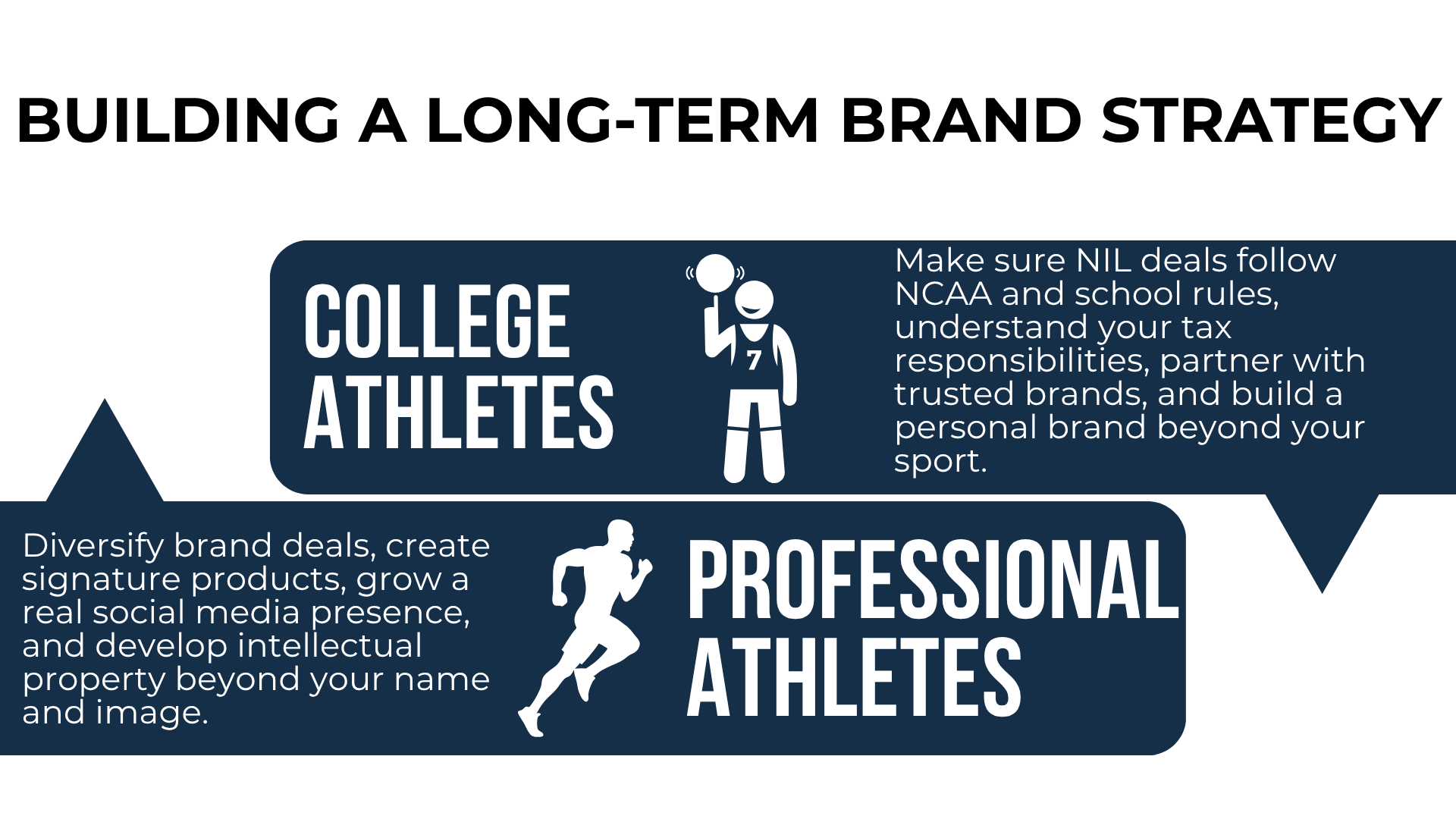
Building a Long-Term Brand Strategy
Successful brand protection requires thinking beyond your playing career. Consider how your brand will generate value after retirement, whether through coaching, broadcasting, business ventures, or continued endorsements.
For college athletes, this means:
- Ensuring NIL deals align with NCAA and school policies
- Understanding tax implications of earnings
- Building relationships with reputable brands and agents
- Creating content that establishes your brand identity beyond athletics
Professional athletes should focus on:
- Diversifying brand partnerships across industries
- Developing signature products or services
- Building social media presence authentically
- Creating intellectual property beyond your name and image
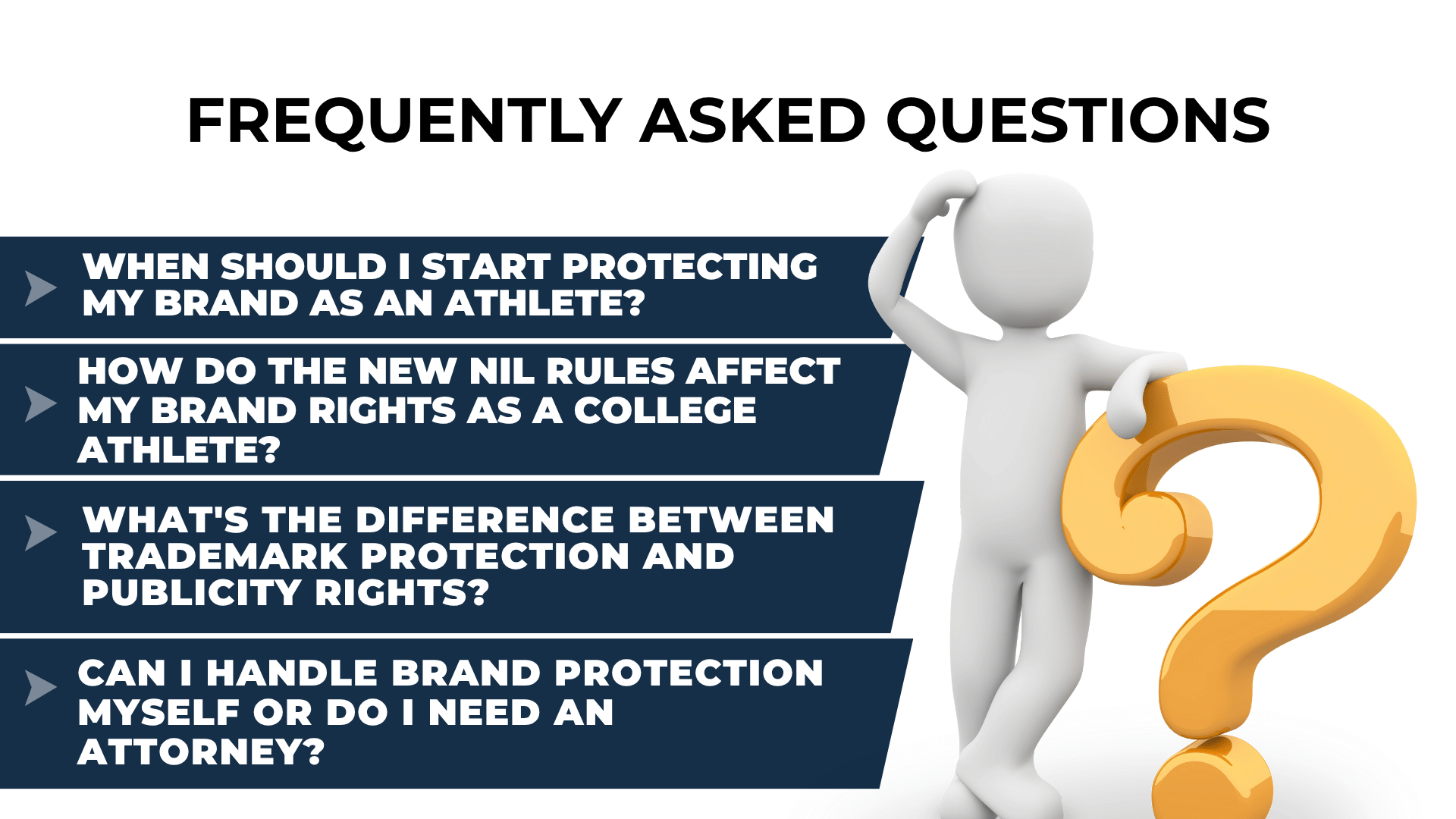
Frequently Asked Questions
Q: When should I start protecting my brand as an athlete? A: Start immediately, even before securing major endorsement deals. Early trademark registration and establishing good practices around brand protection become more valuable as your career progresses. The modest upfront investment saves significant money and headaches later.
Q: How do the new NIL rules affect my brand rights as a college athlete? A: The House v. NCAA settlement allows schools to pay you directly for NIL use, opening new revenue streams. However, you must ensure all deals comply with NCAA and school policies while protecting your rights for future use. Consider each agreement’s long-term impact on your brand.
Q: What’s the difference between trademark protection and publicity rights? A: Trademarks protect specific brand identifiers you use in commerce, like logos or catchphrases. Publicity rights protect against any unauthorized commercial use of your identity. You need both for comprehensive brand protection—trademarks for your business assets and publicity rights for your personal identity.
Q: Can I handle brand protection myself or do I need an attorney? A: While you can file trademark applications yourself, the complexity of athlete brand rights makes professional legal guidance invaluable. Attorneys help identify all protectable elements, avoid application mistakes, negotiate stronger contracts, and enforce your rights effectively. The investment typically pays for itself through better deals and avoided problems.
Conclusion: Your Brand, Your Future
Protecting athlete brand rights isn’t just about maximizing current earnings—it’s about building a foundation for lifelong financial success. The new NIL landscape offers unprecedented opportunities, but only for athletes who take proactive steps to safeguard their brands.
Start today by auditing your current brand protection status. Identify unregistered trademarks, review existing contracts for problematic terms, and establish monitoring systems for unauthorized use. Most importantly, work with experienced professionals who understand the unique challenges athletes face.
Your athletic career may be temporary, but your brand can generate value for decades. Don’t leave that value unprotected.
Ready to protect your athlete brand? Contact our experienced sports law team for a comprehensive brand protection strategy tailored to your unique situation. From trademark registration to contract negotiation, we help athletes at every level maximize and protect their brand value.