Executive Summary: With the NIL market projected to exceed $2.5 billion by 2025-26, student-athletes face increasingly complex contracts that can make or break their collegiate careers. Understanding and avoiding common NIL contract red flags—from restrictive exclusivity clauses to hidden transfer penalties—is crucial for protecting both immediate earnings and future opportunities.
Introduction: The High Stakes of NIL Contracts
Picture this: You’re a talented college athlete who just received your first NIL offer. The numbers look good, the brand seems reputable, and you’re eager to sign. But buried in the fine print are clauses that could cost you thousands of dollars, limit your future opportunities, or even jeopardize your eligibility.
This scenario plays out daily across college campuses as student-athletes navigate the exciting but treacherous waters of Name, Image, and Likeness deals. With no uniform federal law governing NIL activities and regulations varying significantly by state and institution, athletes often find themselves signing contracts they don’t fully understand—with potentially devastating consequences.
The recent House v. NCAA settlement has further complicated the landscape, allowing schools to directly pay athletes starting in 2025-26 while introducing new compliance requirements. In this evolving environment, knowing how to spot and avoid NIL contract red flags isn’t just advisable—it’s essential.

Understanding the New NIL Landscape
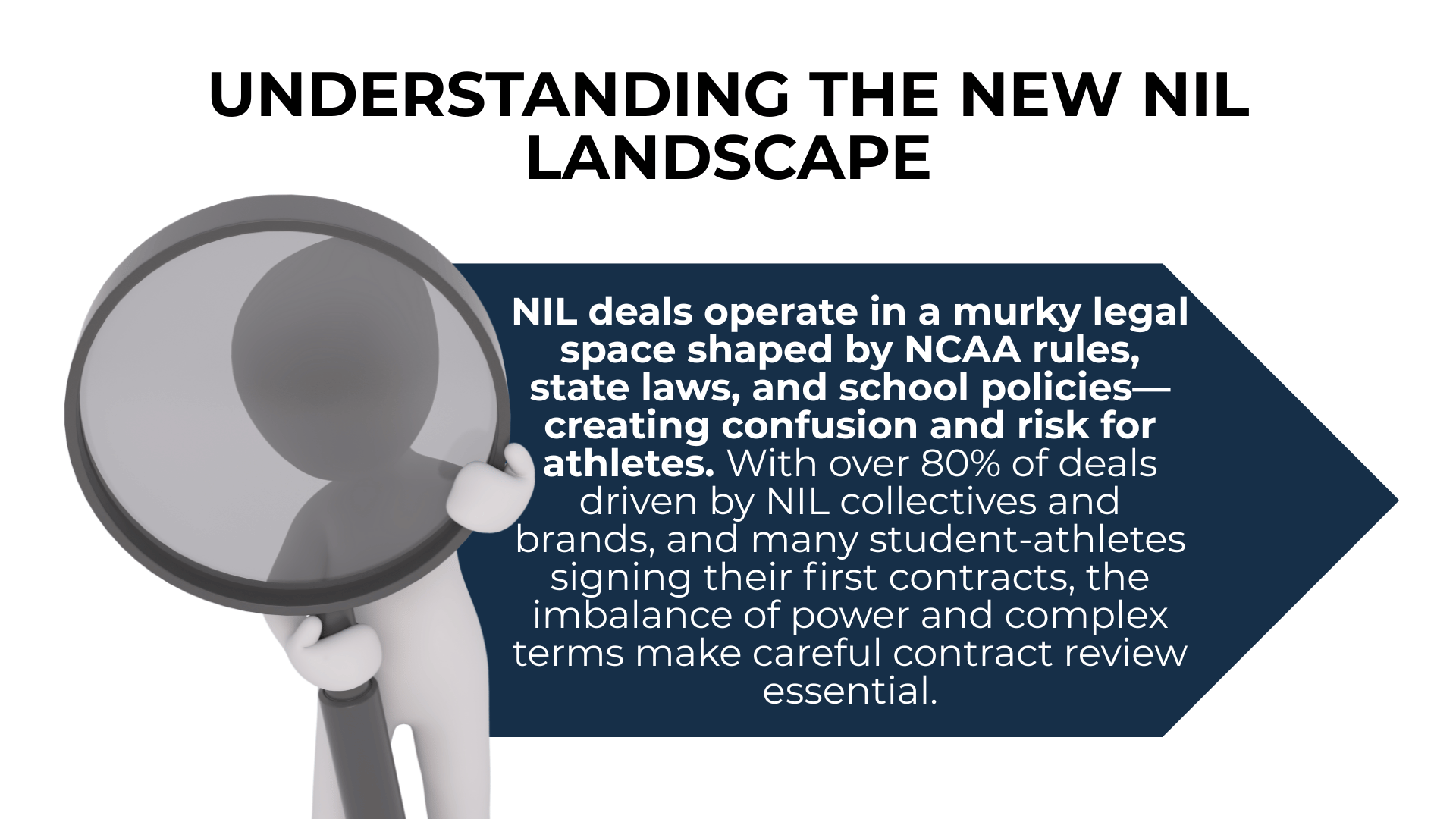
Before diving into specific red flags, it’s crucial to understand the current NIL environment. Unlike traditional business contracts, NIL agreements exist in a unique regulatory space governed by NCAA interim policies, state laws, and institutional rules. This patchwork of regulations creates confusion and leaves athletes vulnerable to problematic contract terms.
The market has exploded rapidly, with NIL collectives now accounting for over 80% of all deals. These collectives, along with brands and other entities, are increasingly sophisticated in their contract drafting—but not always in ways that benefit athletes. The power imbalance between established businesses and student-athletes, many of whom are negotiating their first professional contracts, creates an environment ripe for exploitation.
Adding to the complexity, NIL contracts often resemble employment agreements in their structure and requirements, raising questions about athlete classification and rights. This gray area between amateur athletics and professional business relationships makes careful contract review even more critical.
The Five Major NIL Contract Red Flags
1. Exclusivity Clauses That Handcuff Your Future
Exclusivity clauses prevent you from working with competing brands, often for extended periods. While some level of exclusivity is standard in endorsement deals, overly broad or lengthy restrictions can severely limit your earning potential. These clauses might prohibit you from partnering with entire categories of businesses, effectively putting your NIL opportunities in a stranglehold.
What to watch for: Terms that extend beyond six months, restrictions that cover overly broad categories (like “all beverage companies” versus “competing energy drinks”), and clauses that remain in effect even after the contract ends.
2. Perpetual Usage Rights
Perhaps the most dangerous red flag involves granting brands unlimited or perpetual rights to use your name, image, and likeness. These provisions mean a company could use your image forever—long after you’ve stopped receiving compensation. Imagine your face on products or in advertisements years after graduation, with no additional payment or control over how your image is used.
The danger zone: Look for terms like “in perpetuity,” “unlimited,” “worldwide rights,” or vague language about usage duration and scope. Legitimate contracts should have clear time limits and defined usage parameters.
3. Vague Moral Clauses
Moral clauses allow brands to terminate contracts if an athlete’s behavior damages the brand’s reputation. While protecting brand image is understandable, overly vague moral clauses give companies excessive power to end agreements based on subjective interpretations of “appropriate behavior.”
Red flag language: Watch for undefined terms like “conduct detrimental to the brand” or “behavior inconsistent with company values” without specific examples or parameters.
4. Hidden Financial Obligations
NIL earnings are taxable income, potentially pushing you into higher tax brackets and affecting need-based financial aid. Some contracts also include hidden costs like required purchases, travel expenses not covered by the brand, or penalties for non-performance.
Financial pitfalls: Contracts that don’t address tax withholding, require you to cover production costs, or impact your financial aid eligibility without clear disclosure.
5. Transfer Penalties and Clawback Provisions
With athlete transfers becoming increasingly common, contracts containing repayment obligations or “clawback” provisions if you change schools can create massive financial burdens. These clauses essentially trap athletes at their current institutions or force them to repay earnings they’ve already received—and likely spent.
Warning signs: Any provision requiring repayment upon transfer, buyout fees, or terms that tie compensation to remaining at a specific school.

Real Consequences: When Red Flags Become Red Alerts
The impact of problematic NIL contracts extends beyond theoretical concerns. Athletes have found themselves in legal battles over contract disputes, facing demands for repayment of earnings, or unable to pursue lucrative opportunities due to restrictive clauses. Some have even seen their contracts affect eligibility or create conflicts with NCAA regulations.
The stakes are particularly high given that NIL deals exceeding $600 must now be reviewed by a clearinghouse to ensure valid business purposes and fair market value. Non-compliant contracts could result in penalties affecting both the athlete and their institution.

Protecting Yourself: A Step-by-Step Approach
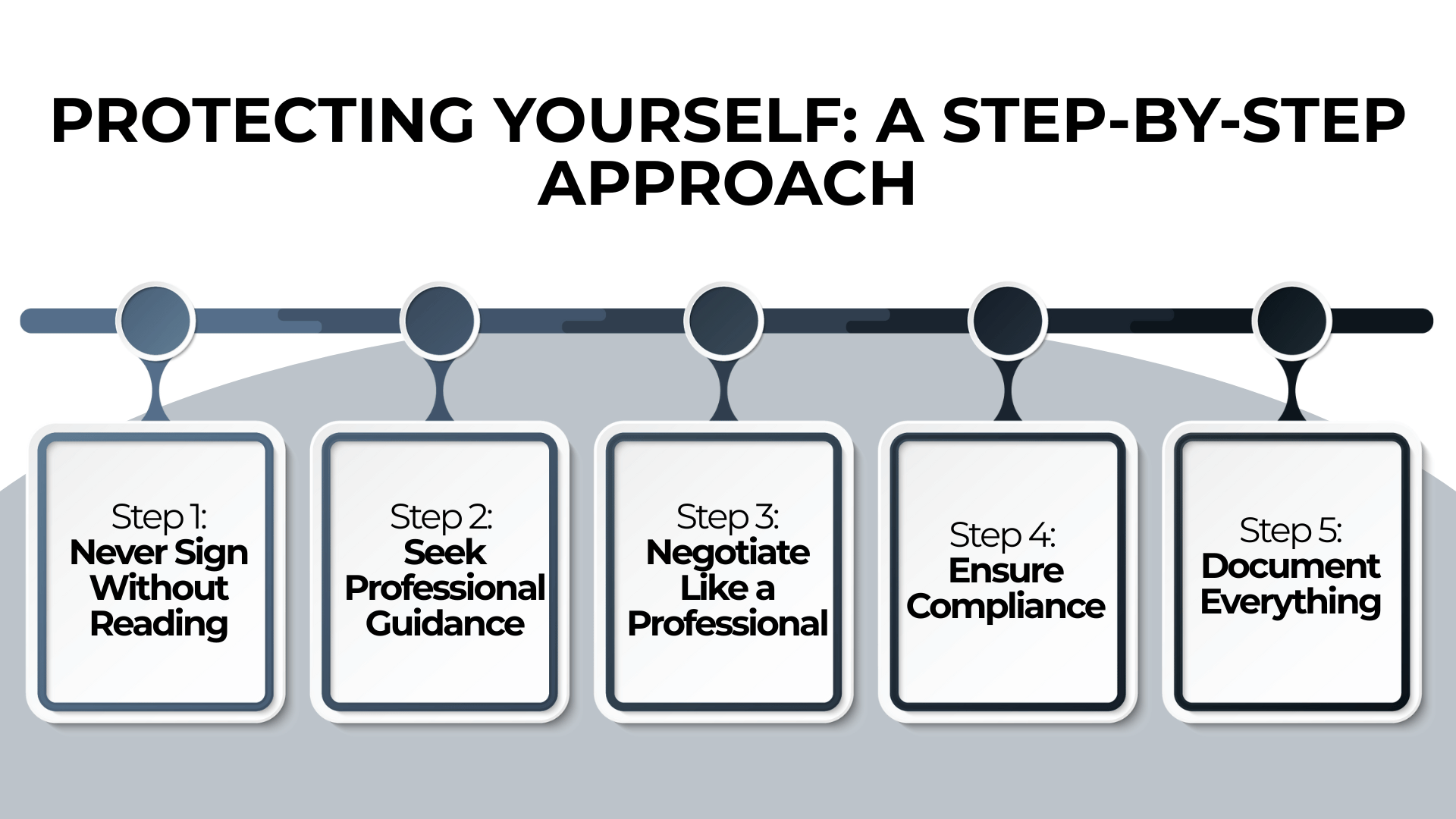
Step 1: Never Sign Without Reading
This seems obvious, but the pressure to secure deals quickly often leads athletes to skip thorough review. Set aside adequate time to read every word, including appendices and referenced documents.
Step 2: Seek Professional Guidance
Many NIL attorneys offer free initial consultations. This small investment of time can save thousands of dollars and protect your future opportunities. Don’t let cost concerns prevent you from getting professional help—the expense of fixing a bad contract far exceeds the cost of preventing one.
Step 3: Negotiate Like a Professional
Remember that contracts are starting points for negotiation, not take-it-or-leave-it propositions. Push for:
- Limited exclusivity periods
- Clear usage rights with defined timeframes
- Specific moral clause parameters
- Mutual termination rights
- Fair compensation terms
Step 4: Ensure Compliance
Before signing, verify that your contract aligns with NCAA rules, state laws where applicable, and your institution’s policies. Report deals to your school’s compliance office as required.
Step 5: Document Everything
Keep records of all communications, negotiations, and agreements. This documentation protects you if disputes arise later.
The Changing Landscape: Adapting to New Realities
The House v. NCAA settlement represents a seismic shift in college athletics, introducing direct athlete payments while also creating new compliance challenges. As schools prepare to share revenue directly with athletes, the line between NIL deals and employment continues to blur.
This evolution makes avoiding NIL contract red flags even more critical. What might seem like minor contract issues today could have major implications as the regulatory landscape shifts. Athletes must be particularly vigilant about contracts that might conflict with future revenue-sharing arrangements or create obligations that extend beyond their collegiate careers.

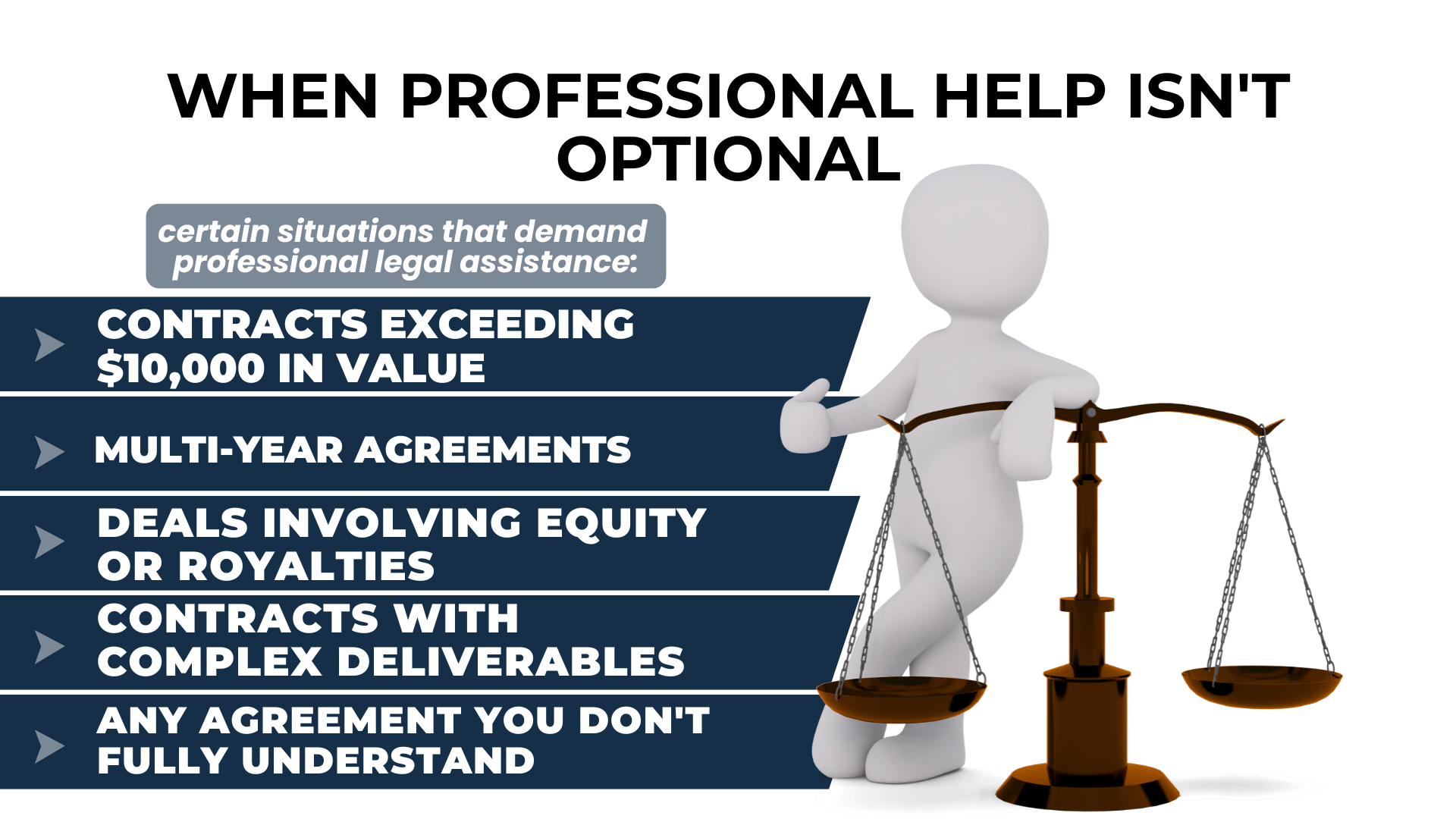
When Professional Help Isn’t Optional
While athletes should understand contract basics, certain situations demand professional legal assistance:
- Contracts exceeding $10,000 in value
- Multi-year agreements
- Deals involving equity or royalties
- Contracts with complex deliverables or performance metrics
- Any agreement you don’t fully understand
The cost of legal review typically ranges from $100-500 per hour, with many attorneys offering free initial consultations specifically for NIL deals. This investment pales in comparison to the potential losses from a problematic contract.
Frequently Asked Questions
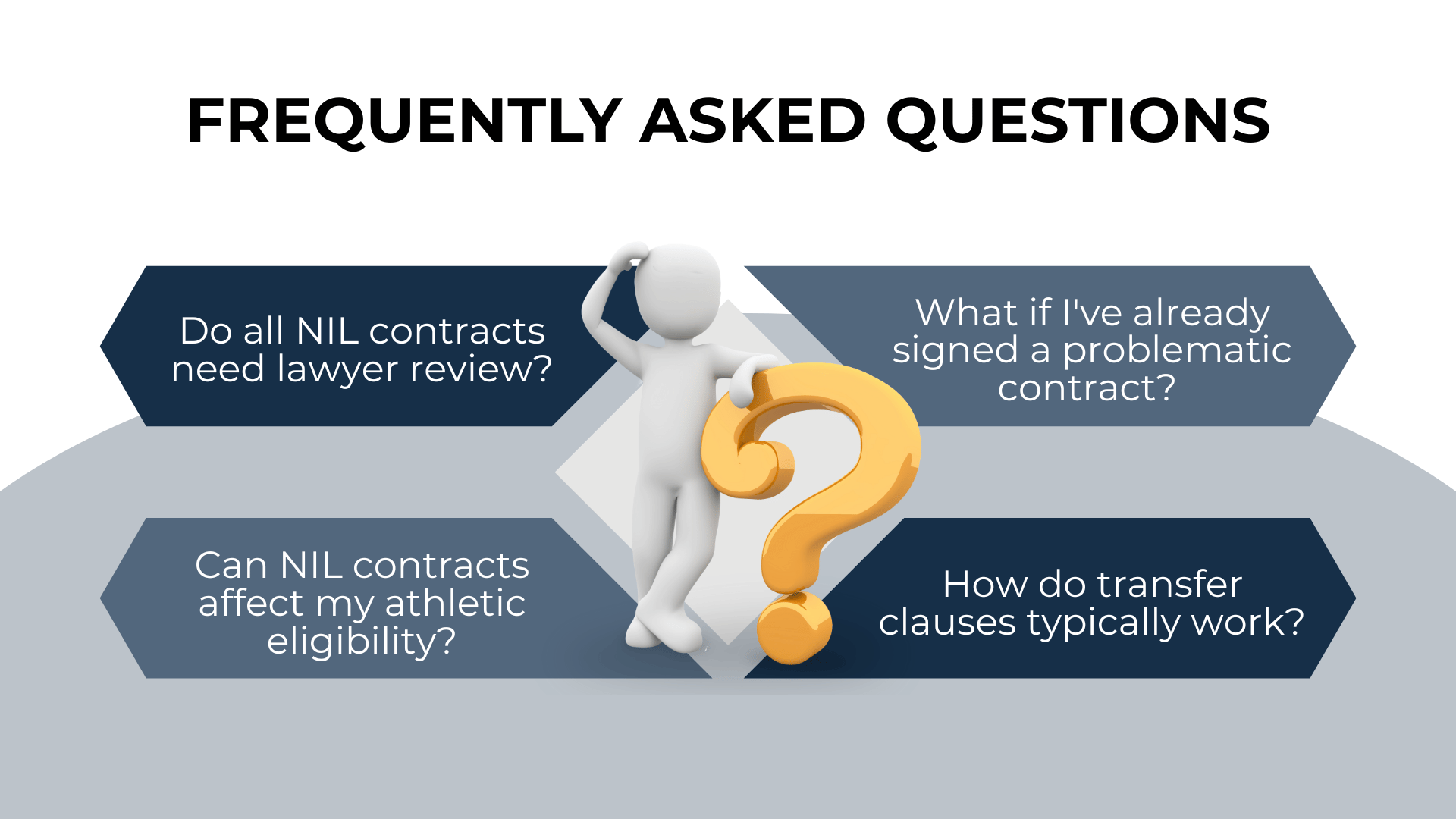
Q: Do all NIL contracts need lawyer review? A: While not legally required, professional review is strongly recommended for any significant contract. Many attorneys offer free initial consultations for NIL deals, making professional guidance accessible even for smaller agreements.
Q: Can NIL contracts affect my athletic eligibility? A: Yes, improperly structured deals or non-compliance with NCAA and institutional rules can jeopardize eligibility. This risk makes careful contract review and compliance verification essential.
Q: What if I’ve already signed a problematic contract? A: Don’t panic. Consult with an attorney immediately to explore options, which might include negotiation, amendment, or in some cases, legal remedies for unfair terms.
Q: How do transfer clauses typically work? A: Transfer clauses vary widely but often require repayment of some or all compensation if an athlete transfers schools. These provisions can create significant financial barriers to transferring and should be carefully negotiated or avoided.
Taking Action: Your Next Steps
Protecting yourself from NIL contract red flags starts with education but requires ongoing vigilance. As you navigate NIL opportunities:
- Build Your Team: Identify legal and financial advisors who understand NIL contracts
- Create Standards: Develop personal guidelines for acceptable contract terms
- Stay Informed: Keep up with changing regulations and industry practices
- Document Diligently: Maintain organized records of all NIL activities
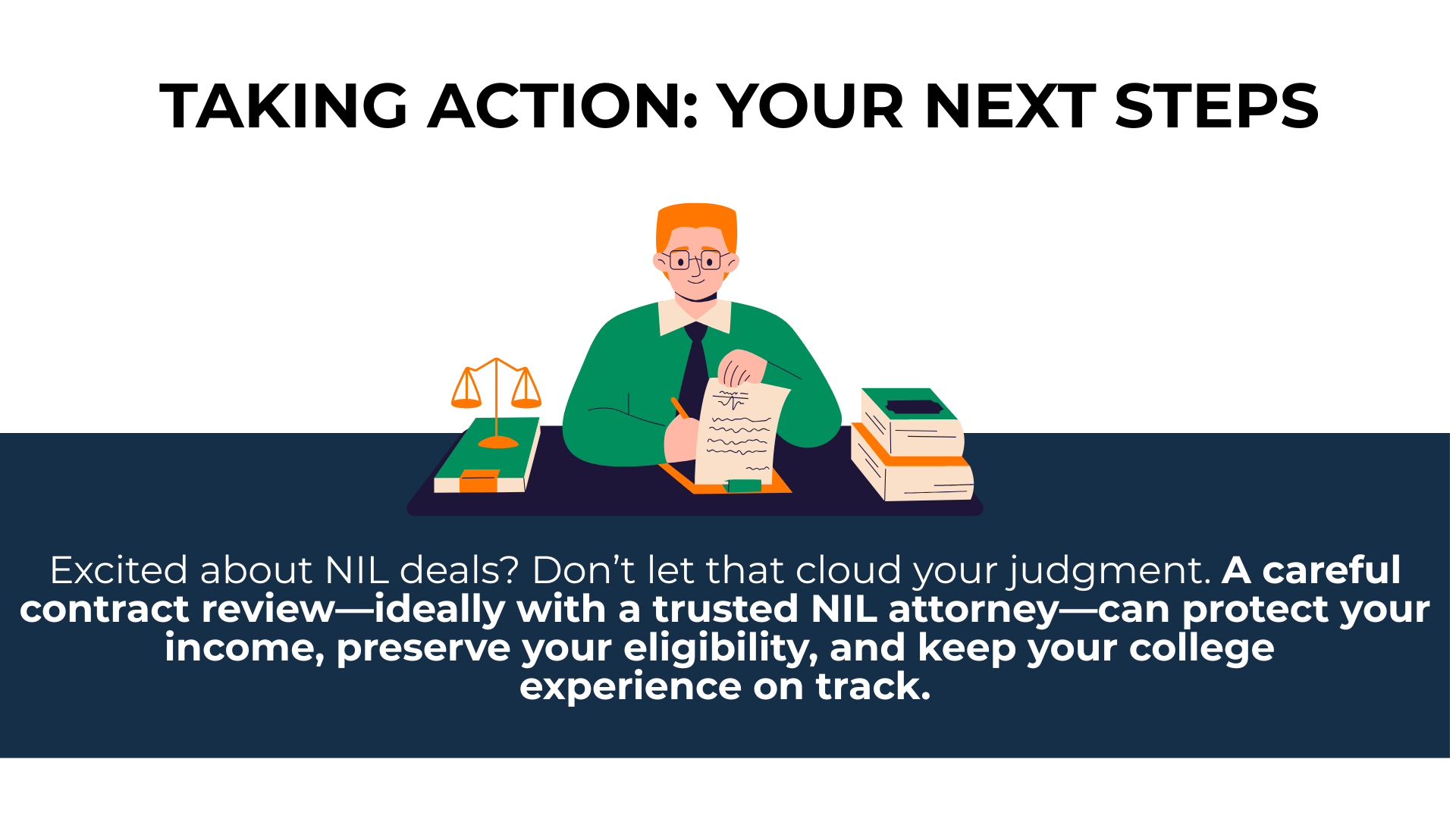
Don’t let excitement about NIL opportunities cloud your judgment when reviewing contracts. The few hours spent carefully reviewing agreements and seeking professional guidance can protect your earnings, preserve your opportunities, and ensure your NIL journey enhances rather than complicates your collegiate experience.
If you’re facing a complex NIL contract or have concerns about an existing agreement, don’t navigate these waters alone. Contact our experienced NIL attorneys for a consultation. We understand the unique challenges student-athletes face and can help you maximize opportunities while avoiding costly pitfalls. Your athletic talent deserves professional protection—let us help you secure it.