Going through a divorce is emotionally challenging, and sometimes couples need to pause the proceedings. Whether you’re hoping to reconcile, need time to resolve complex issues, or are dealing with personal circumstances, understanding how long a divorce can be put on hold is crucial for making informed decisions about your future.
Quick Answer: How Long Can You Pause a Divorce?
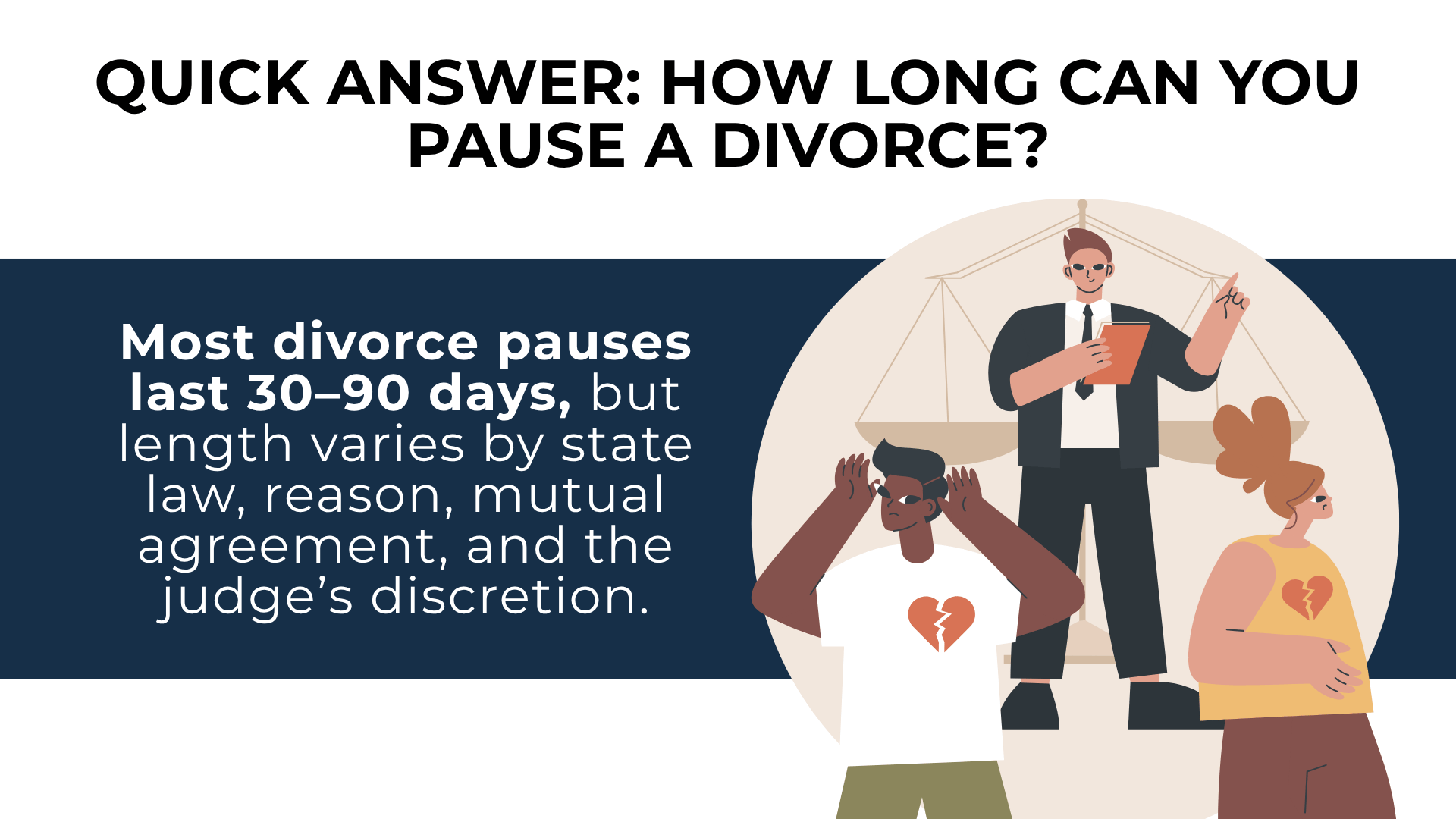
Most divorce pauses last between 30 and 90 days, though longer periods are possible with compelling reasons and court approval. The exact duration depends on:
- Your state’s laws
- The reasons for the pause
- Whether both parties agree
- The judge’s discretion
Understanding Divorce Pauses: Key Methods and Requirements
Who Can Put a Divorce on Hold?
The ability to pause divorce proceedings depends on where you are in the process:
- If you’re the petitioner (filed for divorce): You can typically pause or withdraw the petition unilaterally if your spouse hasn’t responded yet
- If both parties have filed documents: Both spouses must agree to pause, or you’ll need court intervention
- Court approval: Most pause methods require judicial approval, giving judges significant discretion
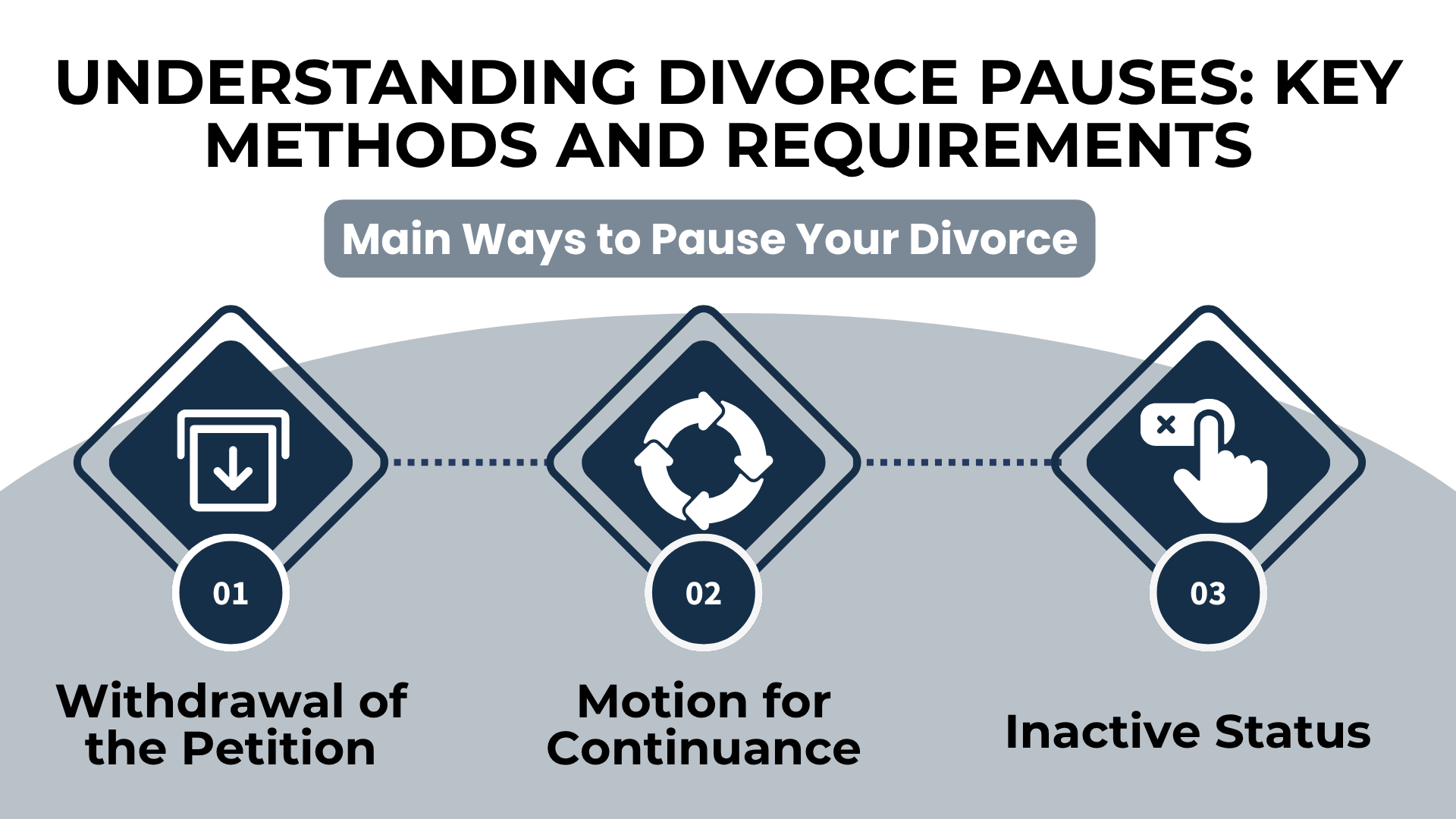
Three Main Ways to Pause Your Divorce
1. Withdrawal of the Petition
- Available if the respondent hasn’t filed a response
- Completely stops the divorce process
- Important: If you restart later, you must begin from scratch, increasing time and costs
2. Motion for Continuance
- Formal request to postpone court proceedings
- Requires valid reasons such as:
- Reconciliation efforts
- Legal complexities
- Personal hardships
- Subject to court discretion
3. Inactive Status
- Available in some jurisdictions
- Places case on hold for a designated period
- No action taken unless requested by parties
How Long Can Different Types of Pauses Last?
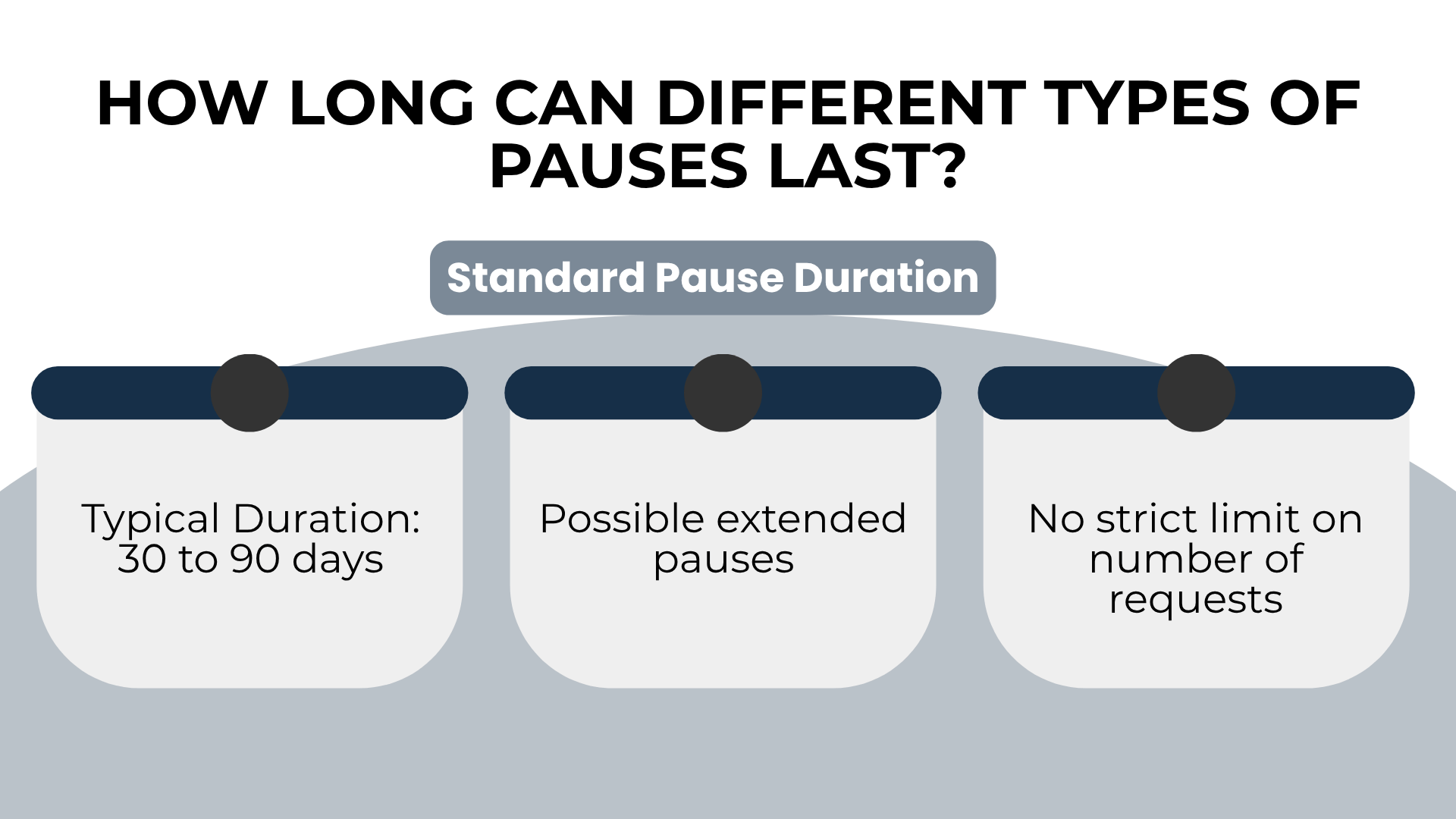
Standard Pause Duration
- Typical range: 30 to 90 days
- Extended pauses: Possible with compelling justification
- No strict limit on number of pause requests, but each must be justified
Warning: Risk of Case Closure
Prolonged inactivity can close your case. If your divorce remains inactive for an extended period (often over a year), the court may consider it closed, requiring you to:
- File a new petition
- Pay new filing fees
- Start the entire process over
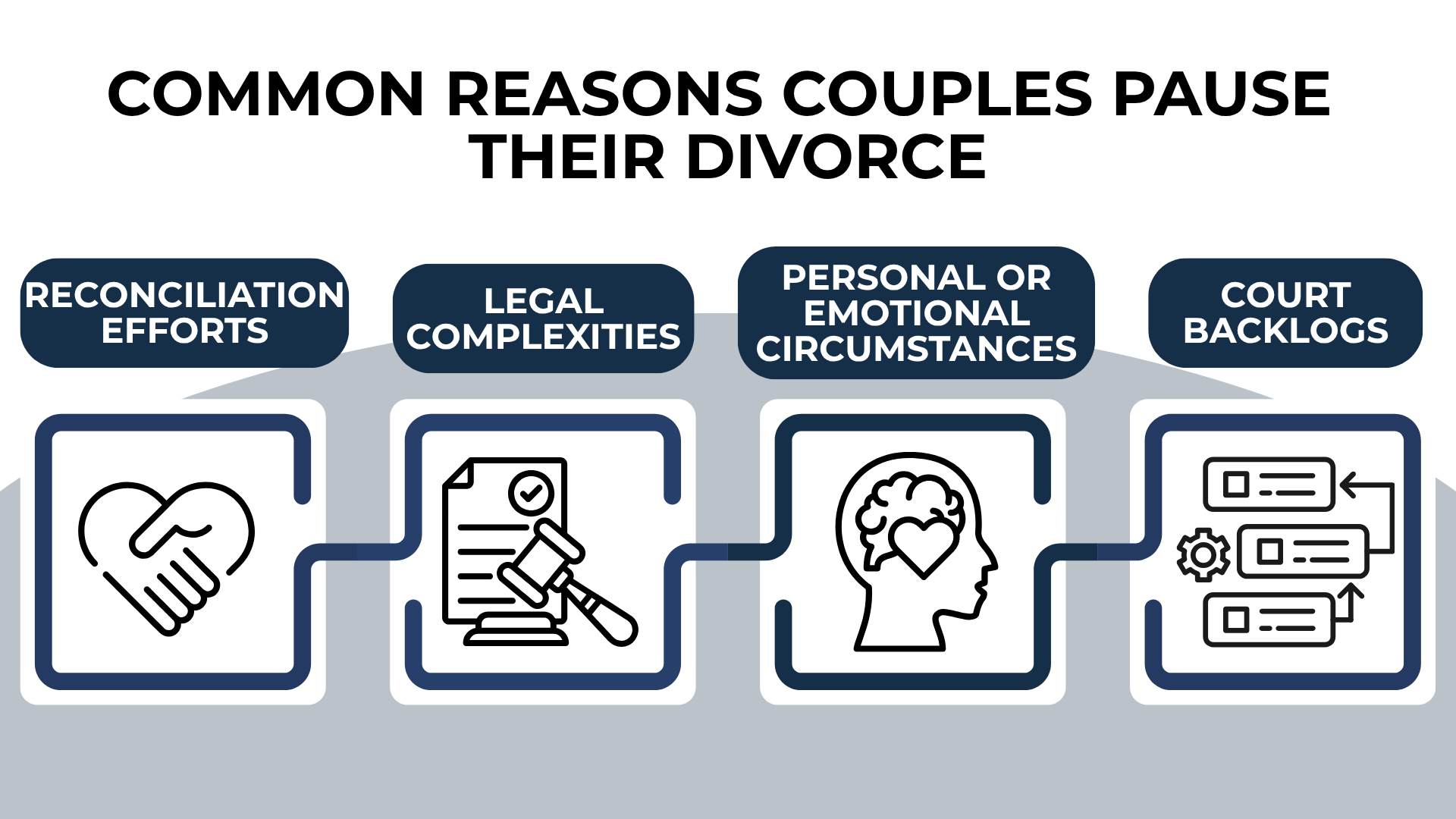
Common Reasons Couples Pause Their Divorce
Understanding why others pause can help you evaluate your situation:
Reconciliation Efforts
Many couples pause to attempt saving their marriage through:
- Marriage counseling
- Mediation
- Time apart for reflection
Legal Complexities
Disputes requiring extra time include:
- Property division disagreements
- Child custody arrangements
- Spousal support negotiations
Personal or Emotional Circumstances
Life events that may warrant a pause:
- Serious illness
- Death in the family
- Need for emotional processing
- Financial hardship
Court Backlogs
High caseloads or understaffing in family courts can naturally delay proceedings.
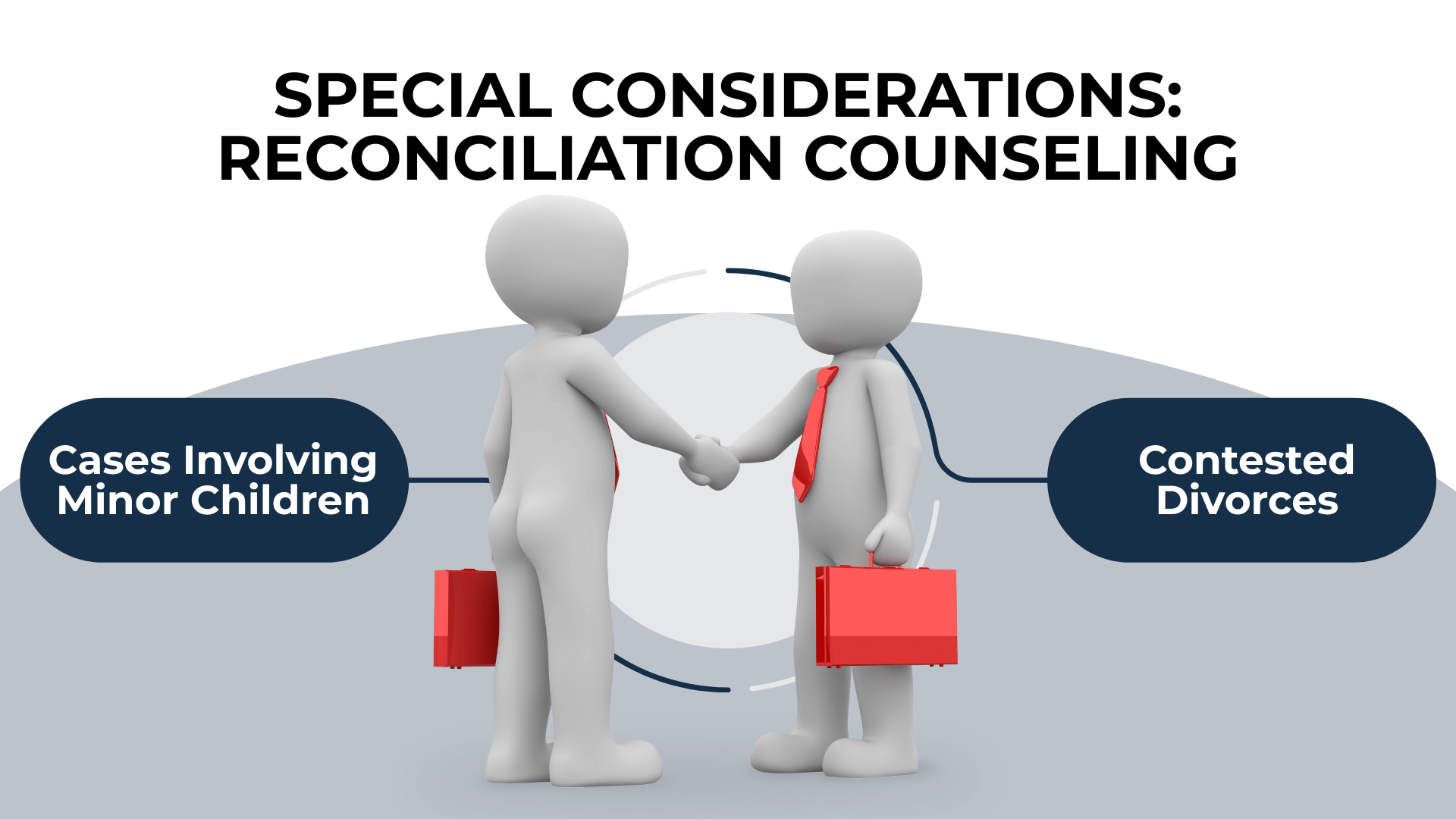
Special Considerations: Reconciliation Counseling
Some states mandate reconciliation counseling that automatically pauses proceedings:
Cases Involving Minor Children
- Courts may require counseling to explore reconciliation
- Designed to protect children’s interests
- Can result in automatic pause periods
Contested Divorces
- If one spouse denies the marriage is irretrievably broken
- States like Florida may impose mandatory 3-month pause
- Allows time for counseling and reflection
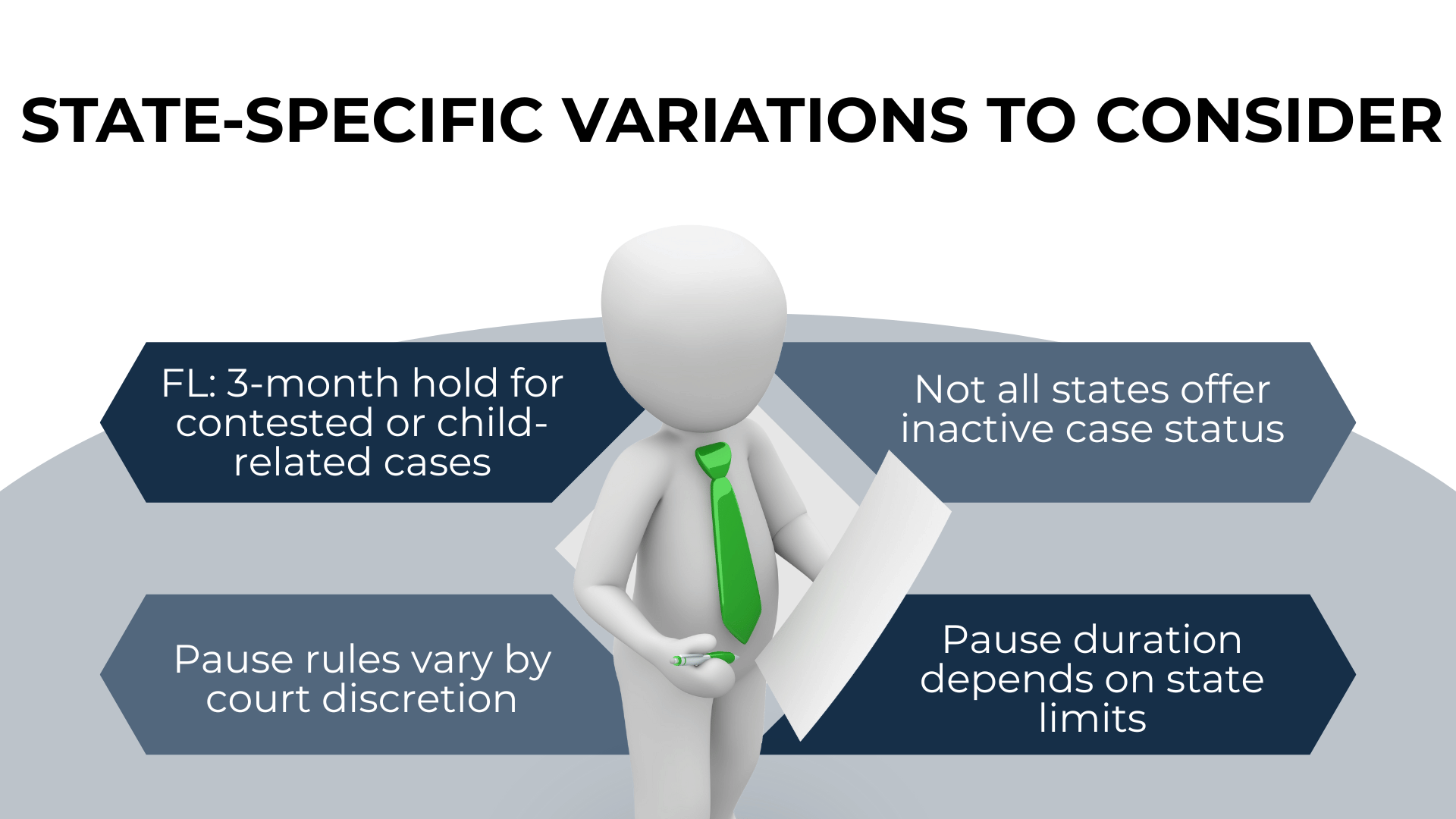
State-Specific Variations to Consider
While general principles apply nationwide, important variations exist:
- Florida: 3-month mandatory hold for cases with minor children or contested divorces
- Court discretion: Varies by jurisdiction
- Inactive status availability: Not offered in all states
- Maximum pause duration: State-specific limits may apply
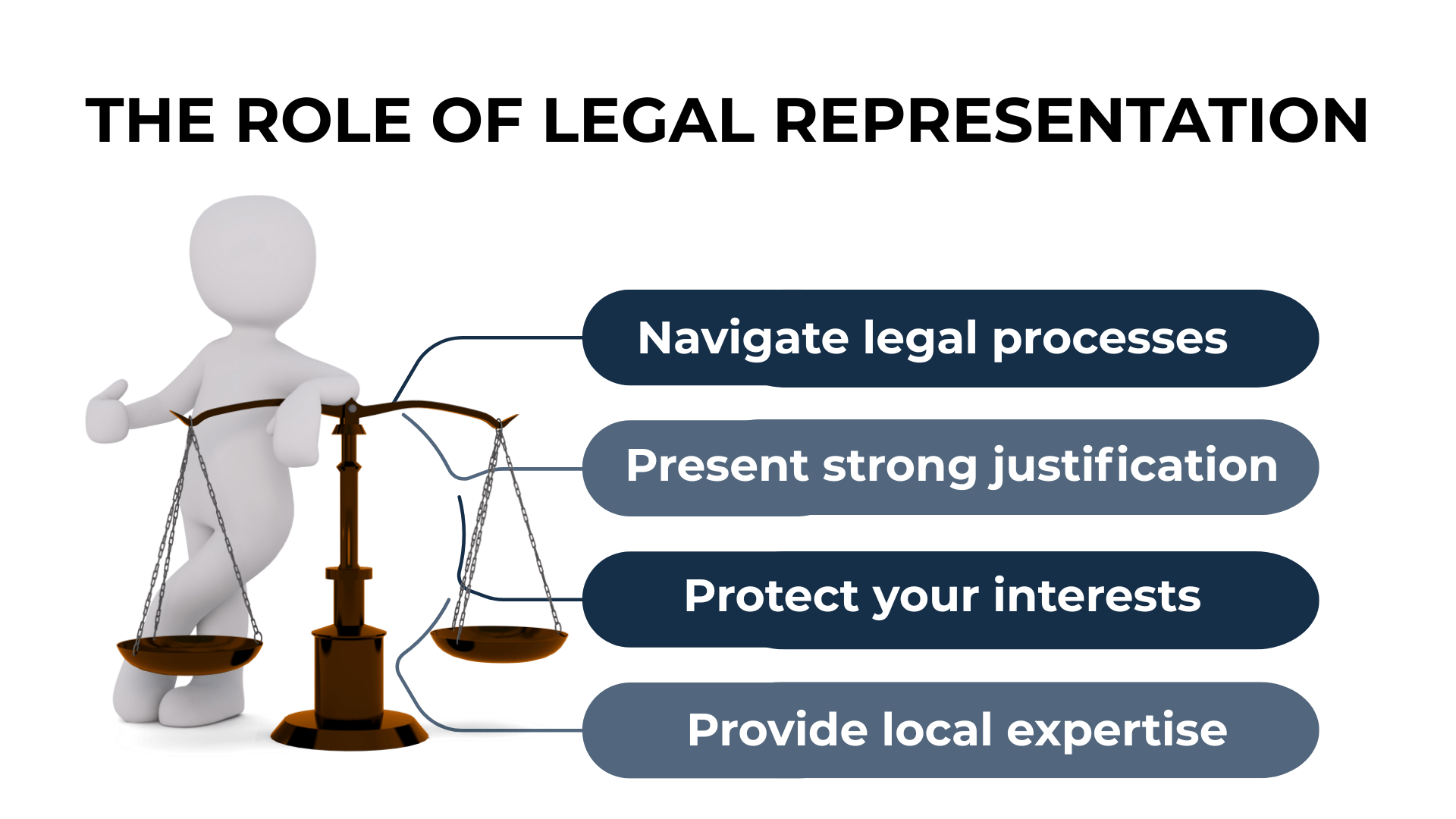
The Role of Legal Representation
Working with a family law attorney is highly recommended when pausing a divorce because they can:
- Navigate legal processes: File proper motions and paperwork
- Present strong justification: Provide evidence supporting your pause request
- Protect your interests: Ensure delays don’t disadvantage you
- Provide local expertise: Clarify state-specific rules and procedures
Frequently Asked Questions
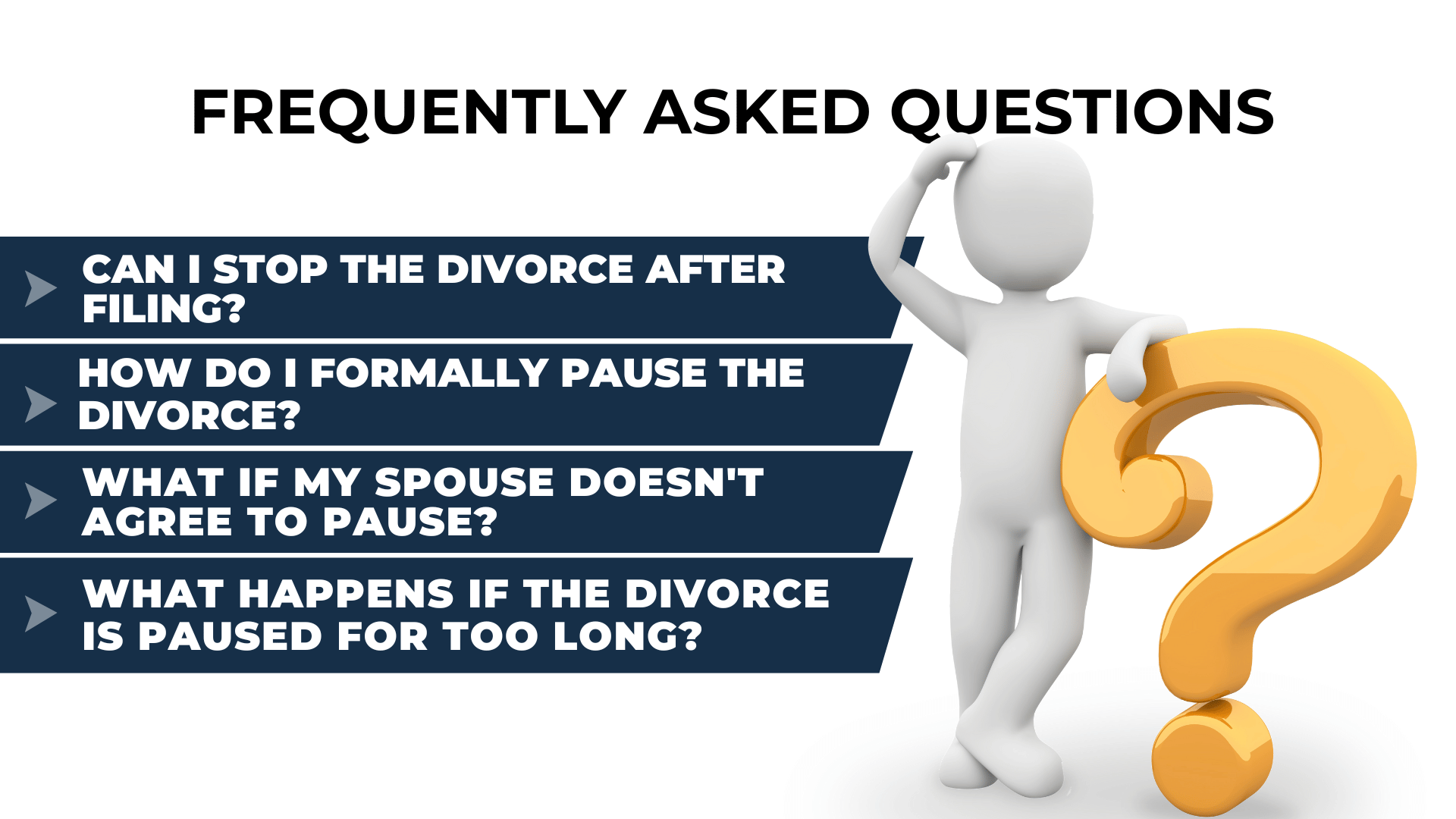
Can I stop the divorce after filing?
Yes, if you’re the petitioner and your spouse hasn’t responded, you can withdraw the petition. If both parties have filed, you’ll need mutual agreement or court approval.
How do I formally pause the divorce?
File a motion for continuance with the court (providing valid reasons), withdraw the petition if your spouse hasn’t responded, or request inactive status where available.
What if my spouse doesn’t agree to pause?
If both parties have filed documents, mutual agreement is typically required. Without agreement, you’ll need to request court intervention, and the judge will decide based on circumstances.
What happens if the divorce is paused for too long?
Extended inactivity (typically over a year) may lead to case closure, requiring you to file a new petition and restart the entire process.
Key Takeaways for Your Situation
When considering how long a divorce can be put on hold, remember:
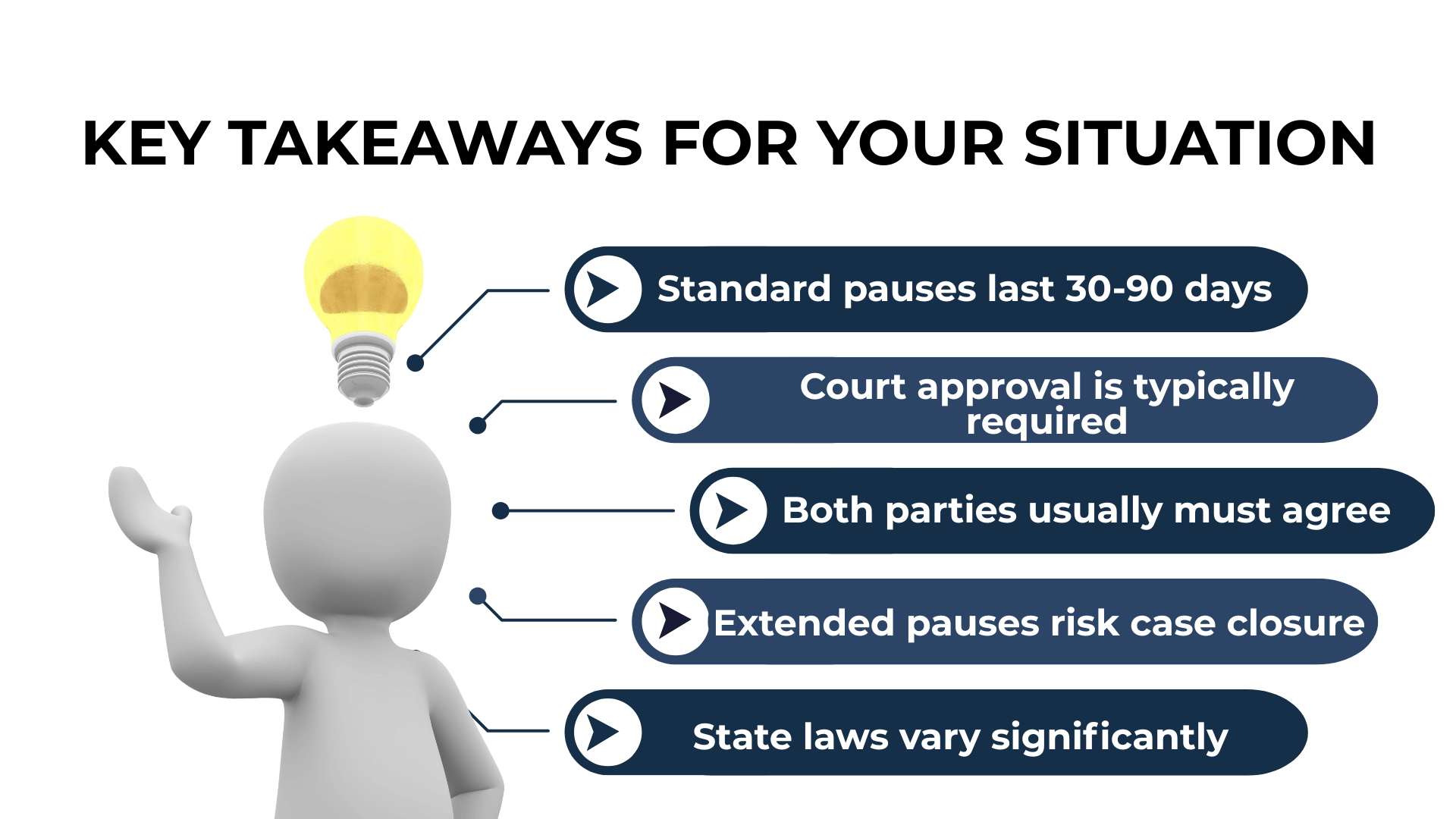
- Standard pauses last 30-90 days but can be extended with valid reasons
- Court approval is typically required for most pause methods
- Both parties usually must agree if the divorce process has begun
- Extended pauses risk case closure, potentially requiring you to start over
- State laws vary significantly, making local legal advice valuable
Moving Forward with Your Decision
Pausing a divorce is a complex decision with significant implications. Whether you’re seeking reconciliation, need time to resolve disputes, or are managing personal circumstances, understanding the timeline and requirements helps you make informed choices.
Consider consulting with a family law attorney to:
- Understand your state’s specific rules
- Evaluate your reasons for pausing
- Protect your interests during the delay
- Navigate the legal process effectively
Remember, while pausing your divorce can provide valuable time for reflection and resolution, it’s essential to balance this with the practical considerations of court requirements and potential case closure. Make decisions that align with your long-term well-being and legal interests.