


Executive Summary: With the landmark House v. NCAA settlement opening new revenue opportunities for college athletes, understanding how to negotiate NIL contracts has become essential for maximizing earnings while protecting your eligibility. This comprehensive guide provides student-athletes, parents, and advisors with actionable strategies, common pitfalls to avoid, and expert insights for securing fair NIL deals in today’s evolving landscape.
Introduction: Your NIL Rights Are Valuable—But Only If You Protect Them
Picture this: You’re a talented college athlete who just received your first NIL contract offer. The numbers look good, the brand is reputable, and you’re eager to sign. But hidden in the fine print are restrictive clauses that could limit your future earning potential, jeopardize your eligibility, or grant away rights you didn’t intend to give.
This scenario plays out daily across college campuses, costing student-athletes millions in lost opportunities. With the recent House v. NCAA settlement allowing schools to directly pay athletes up to $20.5 million per institution starting July 2025, the stakes have never been higher. Yet many athletes still sign contracts without proper review, unaware of the long-term consequences.
Whether you’re a star quarterback fielding multiple offers or a dedicated student-athlete building your first brand partnership, this guide will equip you with the knowledge and strategies needed to negotiate NIL contracts that protect your interests and maximize your value.
Understanding the New NIL Landscape: What Changed in 2025
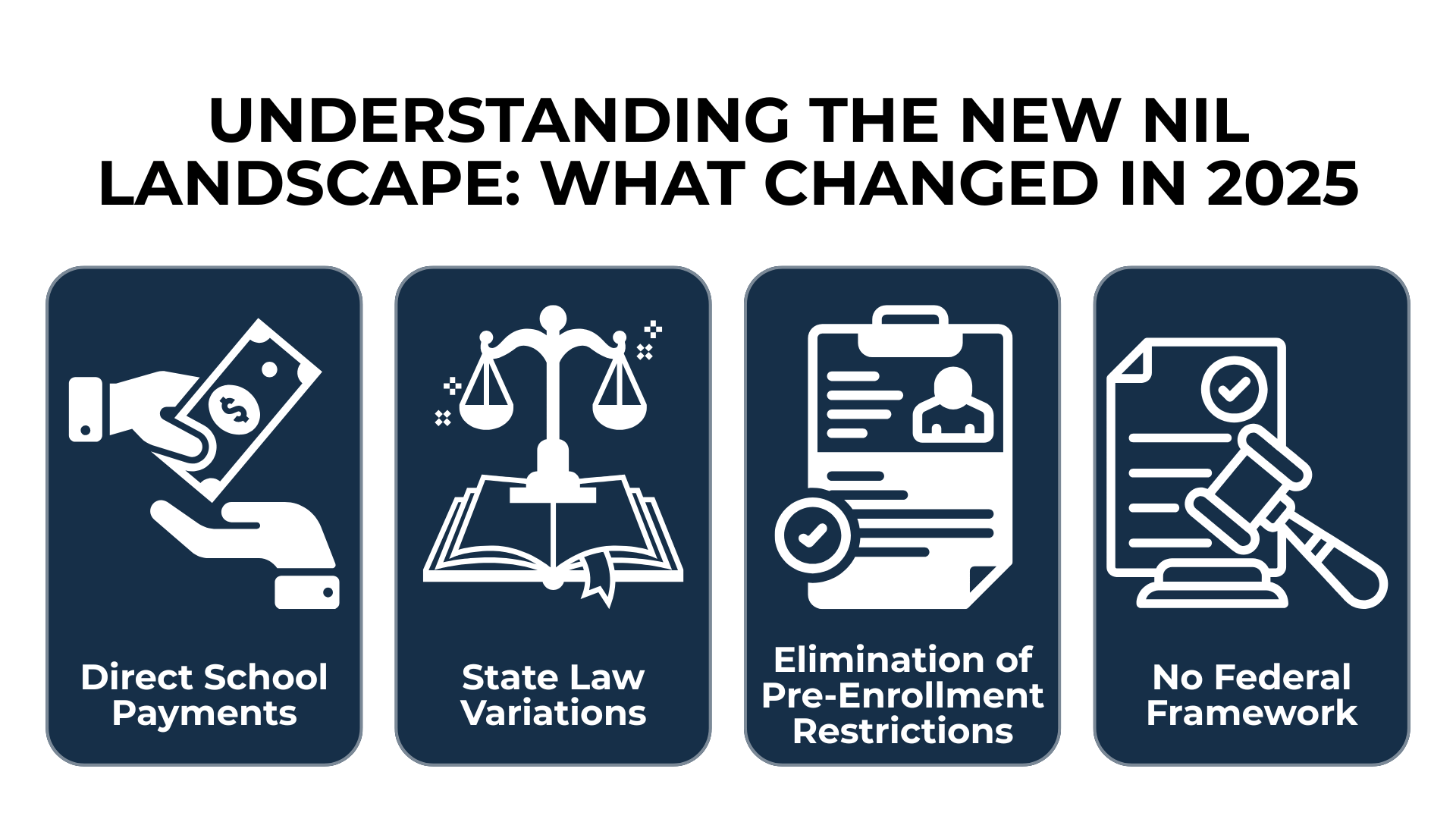
The NIL landscape underwent seismic shifts with the House v. NCAA settlement finalized on June 6, 2025. This historic agreement fundamentally changed how student-athletes can monetize their talents:
Direct School Payments: For the first time, Division I schools can pay athletes directly for their NIL, with each school able to distribute approximately $20.5 million annually (increasing 4% each year). This creates new negotiating dynamics as athletes must now balance traditional brand deals with potential school-based compensation.
State Law Variations: Over 30 states have enacted NIL legislation, each with unique requirements and restrictions. Some states prohibit certain endorsements (alcohol, gambling), while others require extensive contract disclosures. Athletes must navigate this patchwork of regulations while ensuring compliance with their specific state’s rules.
Elimination of Pre-Enrollment Restrictions: The NCAA has significantly loosened rules preventing athletes from negotiating NIL deals before enrollment, allowing high school athletes to secure deals before stepping foot on campus. This change has intensified recruiting competition and created new opportunities for savvy negotiators.
No Federal Framework: Despite these changes, no federal NIL law exists, creating complexity for multi-state deals and transfers. This regulatory gap makes professional legal guidance more critical than ever.
Essential Contract Terms Every Athlete Must Know
Understanding key contract provisions is crucial for effective NIL contract negotiation for student athletes. Here are the terms that can make or break your deal:
Compensation Structure
Beyond the headline number, examine how and when you’ll be paid. Look for:
- Payment schedules (monthly, quarterly, upon completion)
- Performance bonuses versus guaranteed payments
- Expense reimbursements for travel or equipment
- Penalties for non-performance
Example: A $50,000 deal paying $5,000 monthly provides better cash flow than one lump sum at year’s end, especially considering tax obligations.
Exclusivity Clauses
These provisions can severely limit your earning potential. Carefully review:
- Category exclusivity (Can you work with competing brands?)
- Duration of exclusivity (Does it extend beyond the contract term?)
- Geographic limitations
- Social media restrictions
Red Flag: Broad exclusivity language like “no other endorsements in any consumer category” essentially prevents you from signing any other deals.
Rights Usage
Understand exactly what rights you’re granting:
- Specific uses allowed (social media, billboards, TV commercials)
- Duration of usage rights
- Territory where rights apply
- Right to approve final content
Termination Provisions
Protect yourself with clear exit strategies:
- Termination for cause definitions
- Notice requirements
- Post-termination obligations
- Morals clauses (ensure they’re mutual)
Compliance Attestation
Every NIL contract must include language confirming the payment isn’t for athletic performance. This protects your NCAA eligibility and the institution’s compliance status.

The Negotiation Process: A Step-by-Step Guide
Successful college athlete NIL deal terms negotiation follows a structured approach:
Step 1: Know Your Value
Research comparable deals in your sport and market. Tools like Opendorse provide NIL valuations based on social media following, sport, and performance. Top athletes like Arch Manning command $6.8 million valuations, but even athletes with modest followings can secure meaningful deals.
Step 2: Assemble Your Team
Before entering negotiations:
- Hire an experienced NIL attorney (costs vary but are essential)
- Consider a licensed agent for complex deals
- Consult a tax professional for financial planning
- Engage your school’s NIL compliance office
Step 3: Initial Offer Review
When you receive an offer:
- Request the full contract immediately
- Don’t agree to anything verbally
- Take time to review (despite pressure to sign quickly)
- Create a list of concerns and desired changes
Step 4: Strategic Negotiation
Focus negotiations on:
- Compensation increases: Start 20-30% above their initial offer
- Reduced obligations: Fewer required posts or appearances
- Flexibility provisions: Ability to terminate for better opportunities
- Protected rights: Limit usage scope and duration
Step 5: Final Review and Execution
Before signing:
- Confirm all verbal agreements are in writing
- Verify compliance with state law and school policies
- Ensure proper corporate entity is contracting
- Keep executed copies for your records

Red Flags and Common Pitfalls to Avoid
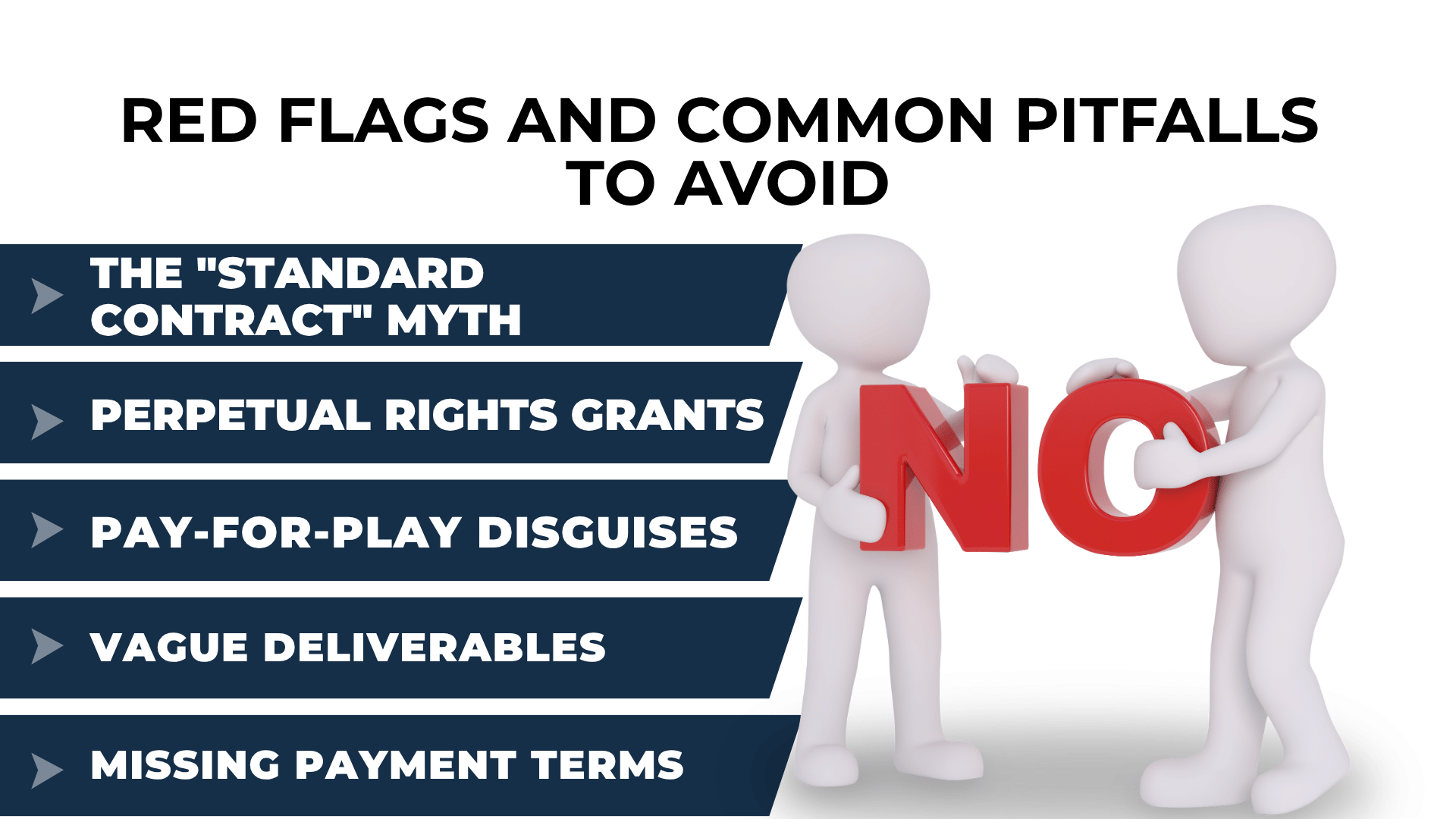
Learn from others’ mistakes by watching for these warning signs:
The “Standard Contract” Myth
When told “this is our standard contract, we can’t change it,” remember everything is negotiable. Schools and brands revise contracts daily for athletes who ask.
Perpetual Rights Grants
Avoid language granting “perpetual, irrevocable” rights to your NIL. Your image shouldn’t be used forever based on one deal.
Pay-for-Play Disguises
Contracts tying compensation to athletic performance (touchdowns scored, games won) violate NCAA rules and risk your eligibility.
Vague Deliverables
Requirements like “reasonable promotional activities as requested” create unlimited obligations. Insist on specific, quantified deliverables.
Missing Payment Terms
Some contracts, particularly from schools, include broad rights grants without guaranteed compensation, allowing discretionary payments that may never materialize.
Building Your Negotiating Power
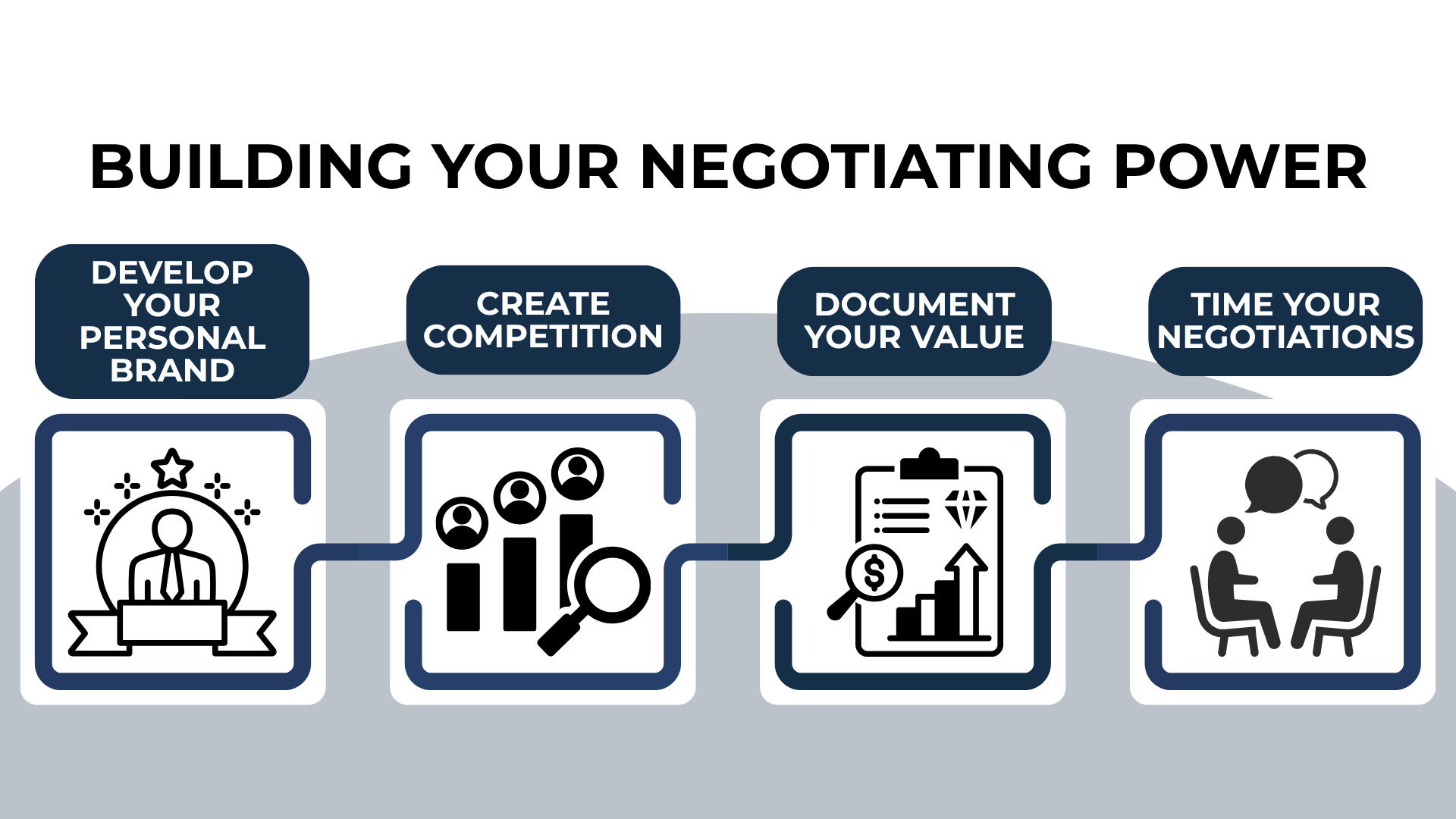
Strengthen your position before entering negotiations:
Develop Your Personal Brand
- Grow social media following authentically
- Engage with your community
- Create content showcasing personality beyond sports
- Build relationships with local businesses
Create Competition
- Don’t accept the first offer
- Cultivate multiple interested parties
- Use competing offers as leverage
- Be willing to walk away
Document Your Value
- Track engagement metrics
- Compile press coverage
- Highlight academic achievements
- Showcase community involvement
Time Your Negotiations
- Negotiate during peak performance periods
- Leverage trending moments
- Consider market timing (pre-season excitement)
When to Walk Away from a Deal
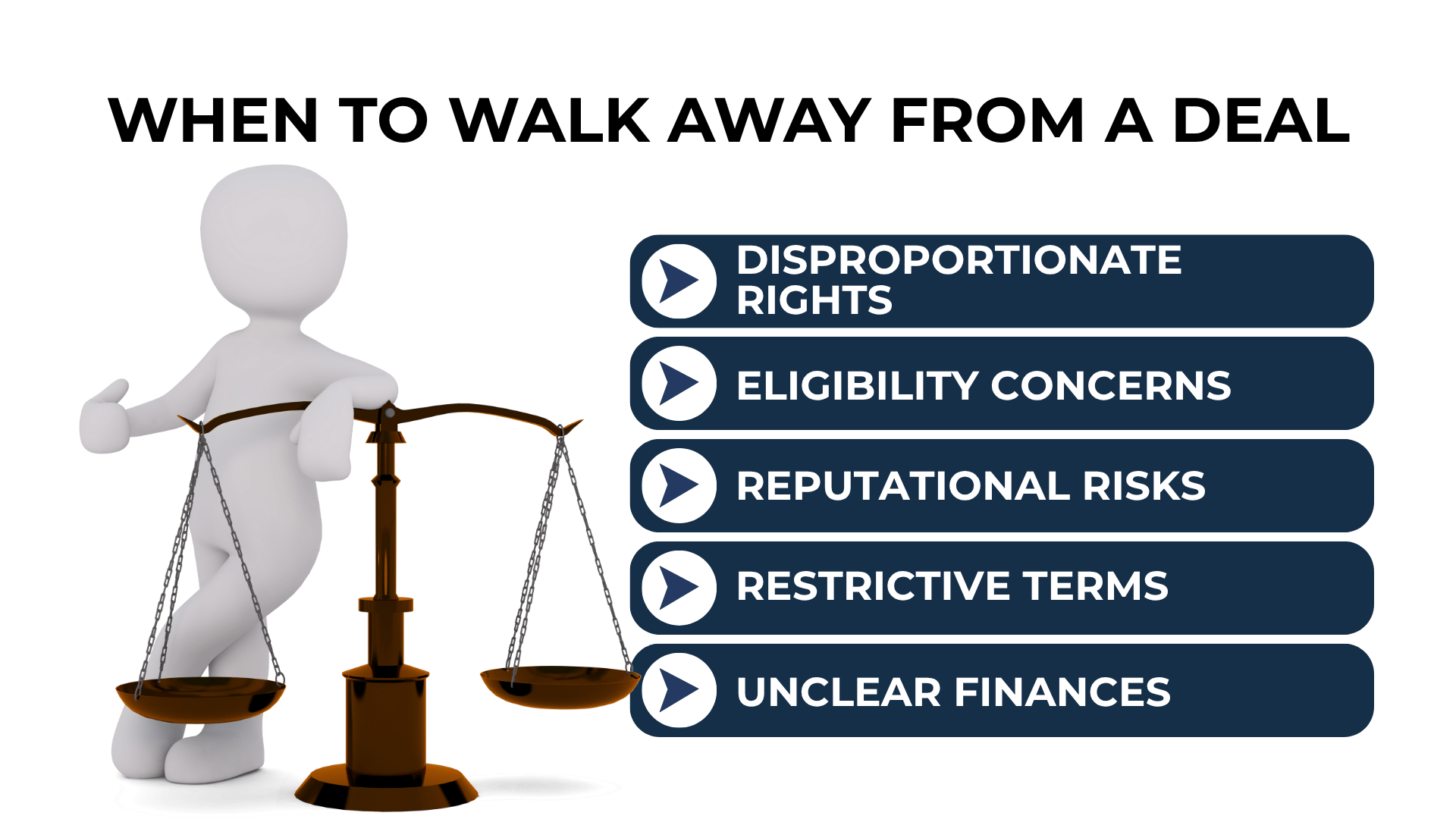
Sometimes the best negotiation move is declining an offer. Walk away when:
- Disproportionate rights: The rights granted far exceed compensation
- Eligibility concerns: Any pay-for-play elements or compliance issues
- Reputational risks: Brands misaligned with your values
- Restrictive terms: Exclusivity preventing better opportunities
- Unclear finances: Inability to verify the company’s ability to pay
Remember: A bad deal is worse than no deal. Protecting your long-term earning potential matters more than quick money.
Tax and Compliance Considerations
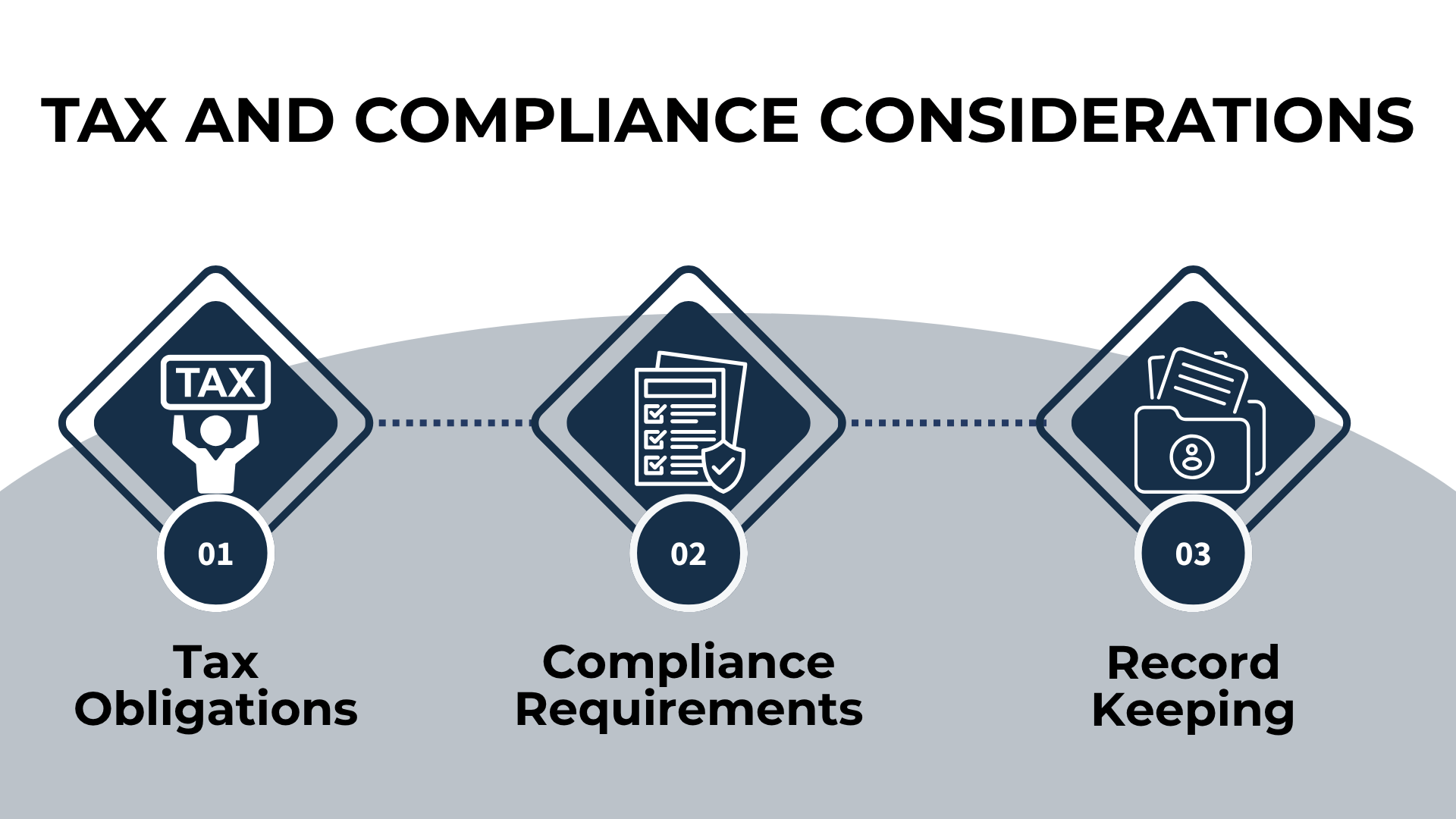
NIL income creates new responsibilities:
Tax Obligations
- NIL earnings are taxable income
- Quarterly estimated payments may be required
- State taxes apply based on where work is performed
Compliance Requirements
- Report all deals over $600 to your institution
- Submit contracts for school review before signing
- Maintain eligibility through proper attestations
- Follow state-specific disclosure requirements
Record Keeping
- Maintain copies of all contracts
- Track expenses for tax deductions
- Document deliverable completion
- Save correspondence about deals
Key Takeaways
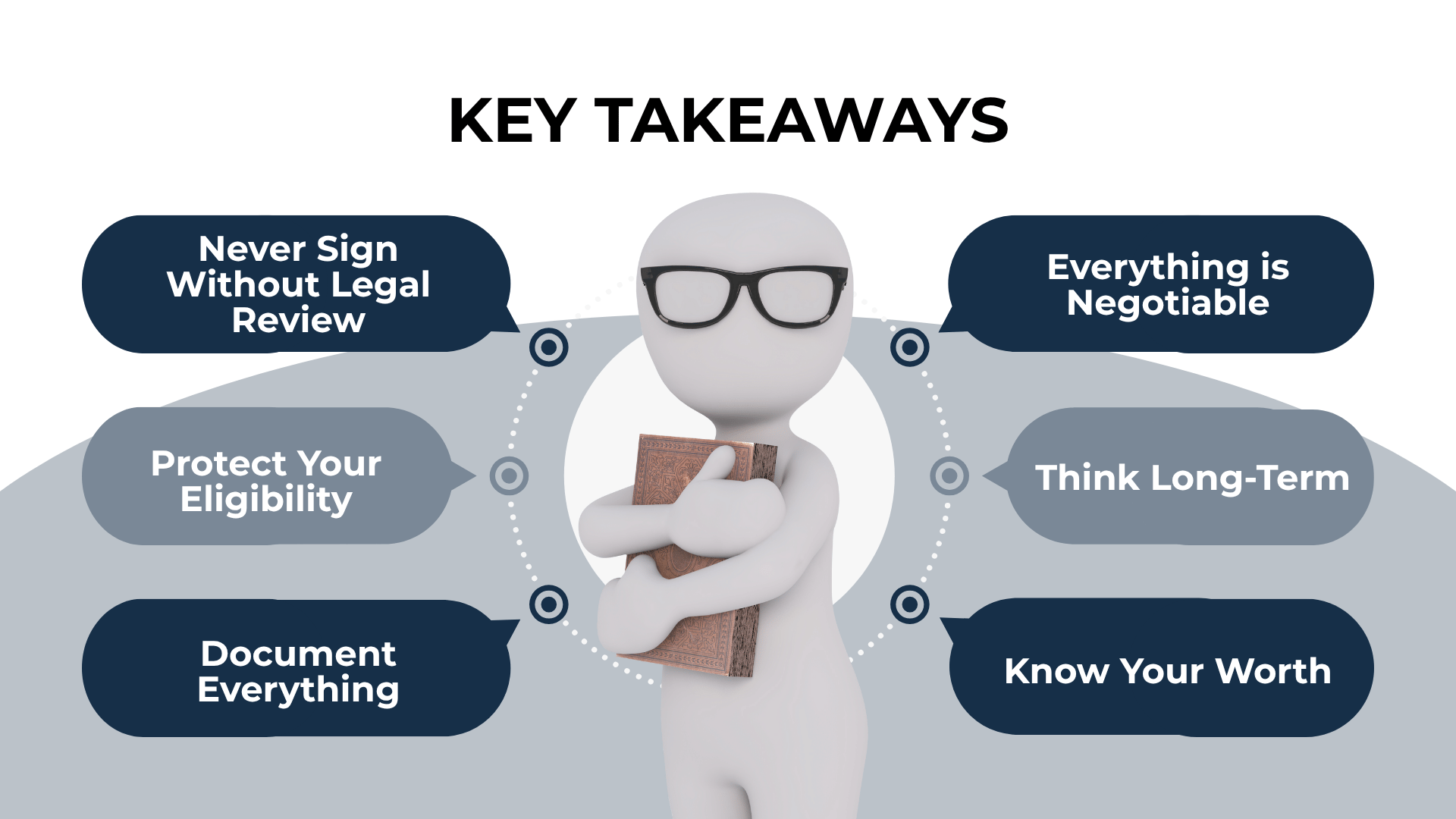
- Never sign without legal review: Even “simple” contracts contain complex terms that can limit your future
- Everything is negotiable: Don’t accept unfavorable terms because they’re “standard”
- Protect your eligibility: Ensure contracts explicitly state payment isn’t for athletic performance
- Think long-term: Consider how current deals affect future opportunities
- Document everything: Maintain complete records for tax and compliance purposes
- Know your worth: Research comparable deals and don’t undervalue your NIL
Frequently Asked Questions
Q: How much should I expect to pay for legal review of an NIL contract? A: Legal fees depend on contract complexity. While it can be expensive, proper review can save thousands by avoiding bad terms and maximizing compensation. Many attorneys offer flat fees for standard NIL contract reviews.
Q: Can I negotiate NIL deals if I’m not a star athlete? A: Absolutely. While stars command higher valuations, creative athletes at all levels secure meaningful deals. Focus on your unique value proposition—local connections, specific demographics, or authentic engagement often matter more than athletic prominence.
Q: What happens to my NIL contracts if I transfer schools? A: Contract portability depends on specific terms. Some contracts terminate upon transfer, while others continue. Review transfer provisions carefully and consider including flexibility for potential moves. State law variations may also affect deal validity post-transfer.
Q: Should I form an LLC for my NIL activities? A: Many athletes benefit from forming business entities for liability protection and tax advantages. Consult with a business attorney and tax professional to determine the best structure for your situation.

Your Next Steps: From Knowledge to Action
Understanding how to negotiate NIL contracts is just the beginning. Success requires taking concrete action:
- Immediate Actions:
- Review any existing contracts for problematic terms
- Research your current market value
- Begin building your professional team
- Short-term Goals:
- Develop your negotiation strategy
- Create a target list of potential partners
- Improve your social media presence
- Long-term Planning:
- Build relationships with multiple brands
- Develop diverse revenue streams
- Plan for post-collegiate opportunities
Ready to Maximize Your NIL Potential?
Don’t leave money on the table or risk your eligibility with poorly negotiated contracts. Attorney Eric Garavaglia knows exactly what to look for—and what to fight for.
Contact us today for a consultation and let our team help you navigate the complex world of NIL negotiations. Whether you’re reviewing your first offer or renegotiating existing deals, we’re here to protect your interests and maximize your value.
Remember: In the new era of college athletics, your NIL rights are valuable assets. Protect them wisely, negotiate them strategically, and build a foundation for lifelong success.
Disclaimer: This article provides general information about NIL contract negotiations and should not be construed as legal advice. Each situation is unique, and you should consult with a qualified attorney before making decisions about specific NIL opportunities.