Executive Summary: International student-athletes face unique challenges in accessing Name, Image, and Likeness (NIL) opportunities due to federal immigration restrictions that classify most NIL activities as unauthorized employment. While domestic athletes freely monetize their talents, international athletes on F-1 visas must navigate complex legal barriers that affect approximately 25,000 NCAA athletes and cost them an estimated $13 million in lost opportunities annually.
Introduction: The Hidden Inequality in College Sports
Imagine training your entire life to compete at the highest level of college athletics, only to discover that while your teammates sign lucrative endorsement deals, you’re legally prohibited from participating in the same opportunities. This is the reality for thousands of international student-athletes competing in NCAA sports today.
The NIL revolution has transformed college athletics, creating unprecedented opportunities for student-athletes to profit from their talents. However, for international athletes on F-1 student visas, these opportunities remain largely out of reach due to federal immigration laws that haven’t caught up with the changing landscape of college sports.
This comprehensive guide examines the current legal framework, practical implications, and potential solutions for international student athletes seeking to understand their NIL rights. Whether you’re an athlete, parent, coach, or administrator, understanding these complexities is crucial for compliance and maximizing opportunities within legal boundaries.
Understanding the Legal Framework for International Student Athlete NIL Rights
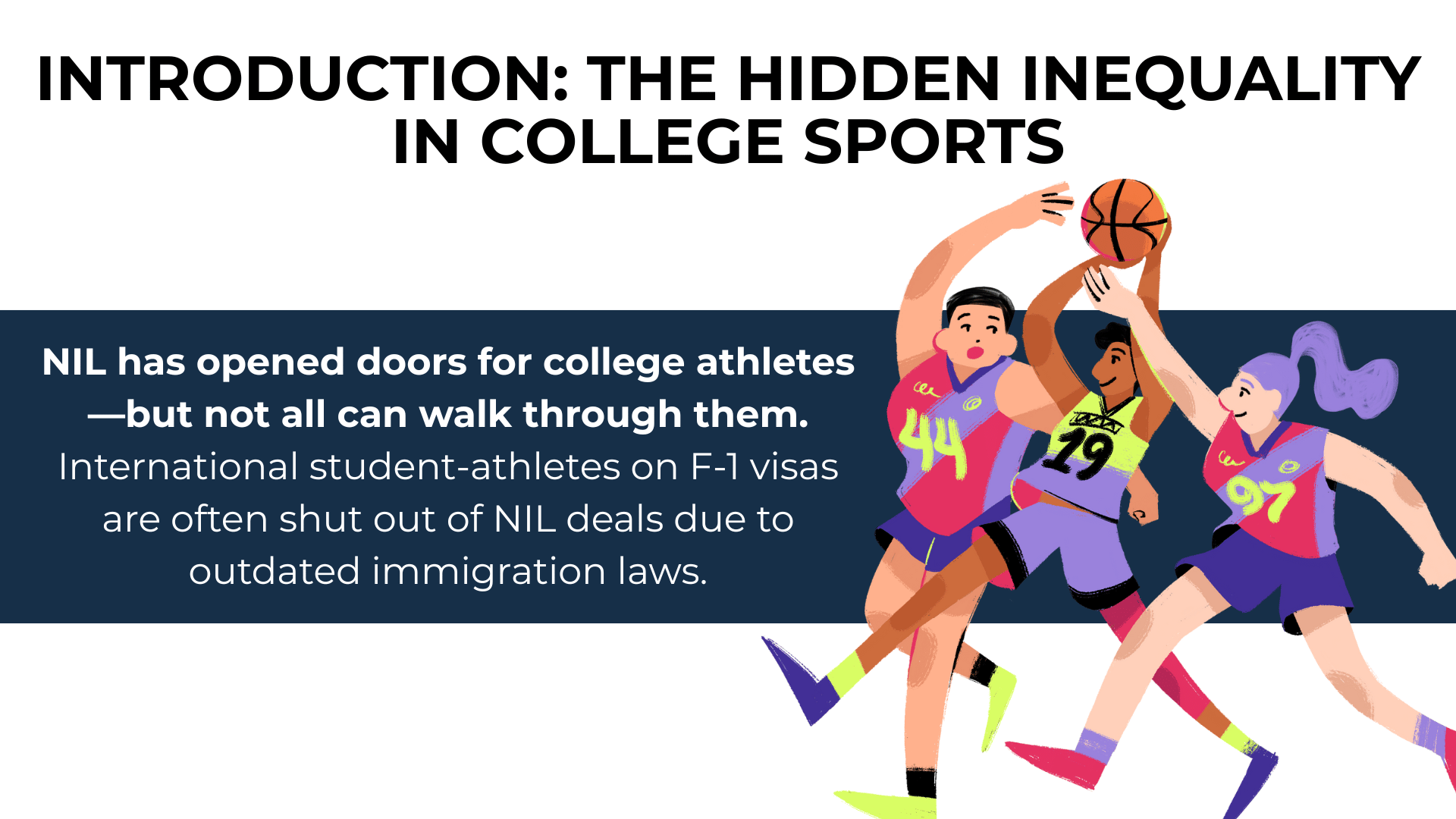
The intersection of immigration law and NCAA regulations creates a complex web of restrictions for international student-athletes. At the heart of this issue lies the F-1 visa, which most international students hold while studying in the United States.
F-1 Visa Employment Restrictions
F-1 visas are designed primarily for academic study, with strict limitations on employment. These visas permit:
- On-campus employment up to 20 hours per week during the academic year
- Specific off-campus work only with USCIS authorization, such as Curricular Practical Training (CPT) or Optional Practical Training (OPT)
The critical issue is that NIL activities—whether posting on social media for compensation, signing autographs for pay, or participating in endorsement deals—are generally considered employment under U.S. immigration law. This classification immediately puts these activities outside the scope of what F-1 visa holders can legally pursue.
NCAA’s Position on International Athletes
The NCAA adopted an interim NIL policy in 2021 and updated its rules in 2024, requiring disclosure of NIL agreements over $600 within 30 days. However, the NCAA explicitly defers to federal immigration laws for international athletes, essentially passing the responsibility to federal authorities.
This creates a frustrating situation where the NCAA permits NIL activities, but federal law prohibits international students from participating. The organization’s International Student-Athlete Handbook (2024) acknowledges these restrictions but offers no solutions.
The Federal Regulatory Gap
As of June 2025, the U.S. Citizenship and Immigration Services (USCIS) has not issued specific guidance on NIL activities for F-1 visa holders. A 2021 DHS statement indicated ongoing assessment of NIL compensation for F and M visa holders, but no updates have been provided. This regulatory silence forces universities and athletes to adopt conservative approaches, often completely avoiding NIL activities to prevent visa violations.
The Impact on International Athletes: Real-World Consequences
The restrictions on international student athlete NIL rights create significant disparities within college sports programs. These impacts extend beyond lost income to affect team dynamics, recruitment, and the overall college experience.
Financial Disparities
With approximately 25,000 international NCAA athletes unable to access an estimated $13 million in NIL opportunities, the financial impact is substantial. While their teammates may earn thousands or even millions through endorsements and social media deals, international athletes must rely solely on their scholarships.
Competitive Disadvantages
The inability to participate in NIL activities affects more than just bank accounts. International athletes may:
- Feel excluded from team marketing initiatives
- Miss opportunities to build their personal brand
- Face challenges in recruitment as coaches cannot promise NIL opportunities
- Experience decreased motivation when seeing peers profit from similar talents
Recent Examples
Several high-profile cases illustrate these challenges. A South Sudanese basketball player competed in significant minutes during the 2025 Final Four but couldn’t monetize his NIL due to F-1 visa restrictions. An Australian basketball player at LSU filed a lawsuit after her P-1A visa application was denied, which would have allowed her to participate in NIL activities. These cases highlight the real-world impact of current regulations.

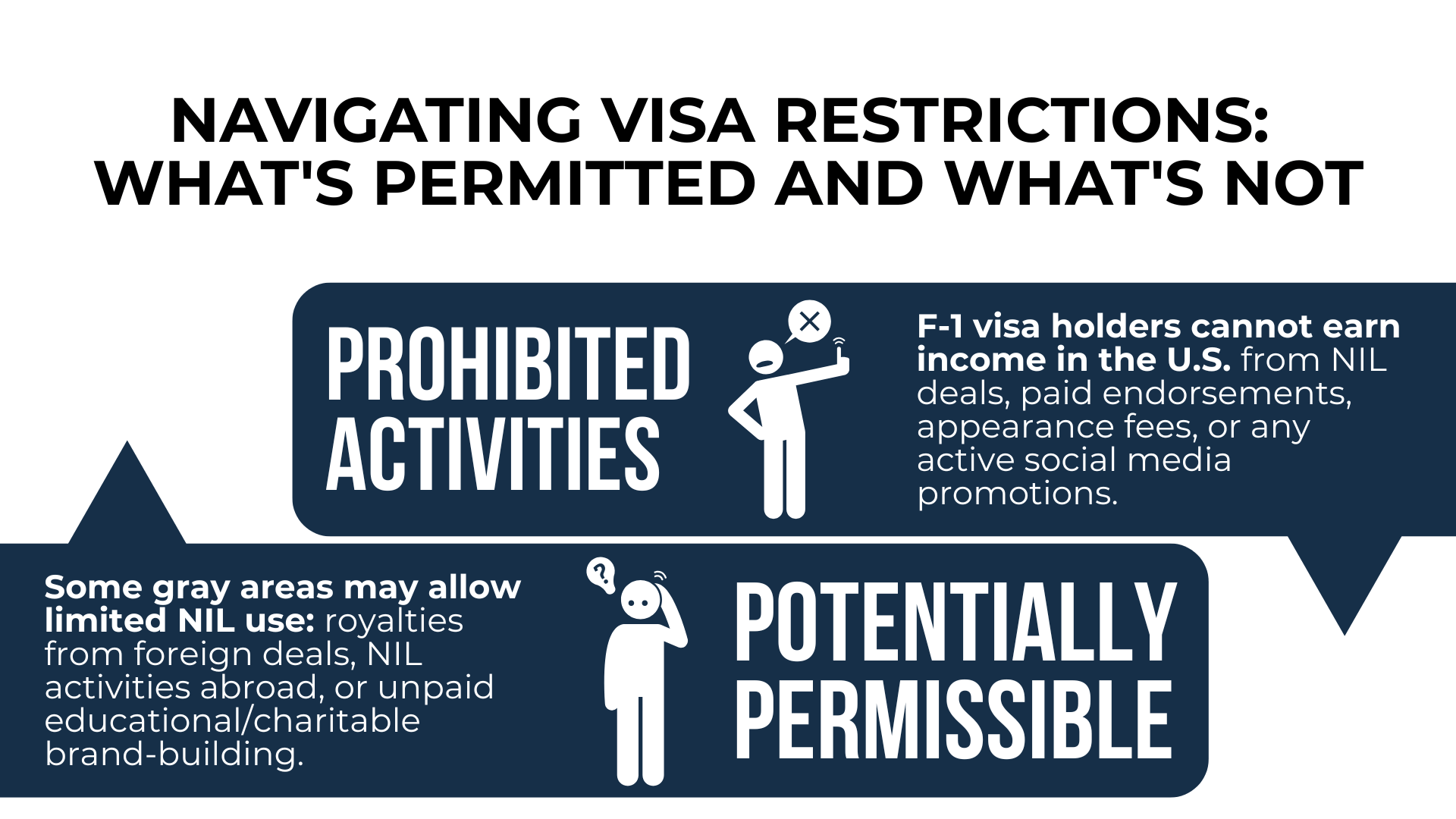
Navigating Visa Restrictions: What’s Permitted and What’s Not
Understanding the boundaries of permissible activities is crucial for international student-athletes seeking to maximize opportunities while maintaining visa compliance.
Prohibited Activities
International students on F-1 visas cannot engage in:
- Paid social media endorsements within the U.S.
- Autograph sessions for compensation
- Appearance fees at events
- Traditional endorsement deals with U.S. companies
- Any active income-generating NIL activities on U.S. soil
Potentially Permissible Activities
Some gray areas may offer limited opportunities:
- Passive income arrangements: Royalties from deals structured and executed entirely outside the U.S.
- Foreign market activities: NIL deals completed during time in home countries
- Educational content: Unpaid educational or charitable activities that build brand without compensation
The Importance of Legal Consultation
Given the severe consequences of visa violations—including termination, deportation, and future reentry bans—international athletes must consult with immigration lawyers and university compliance officers before pursuing any NIL-related activities. What seems like a harmless social media post could jeopardize an entire academic and athletic career.
Alternative Solutions and Workarounds
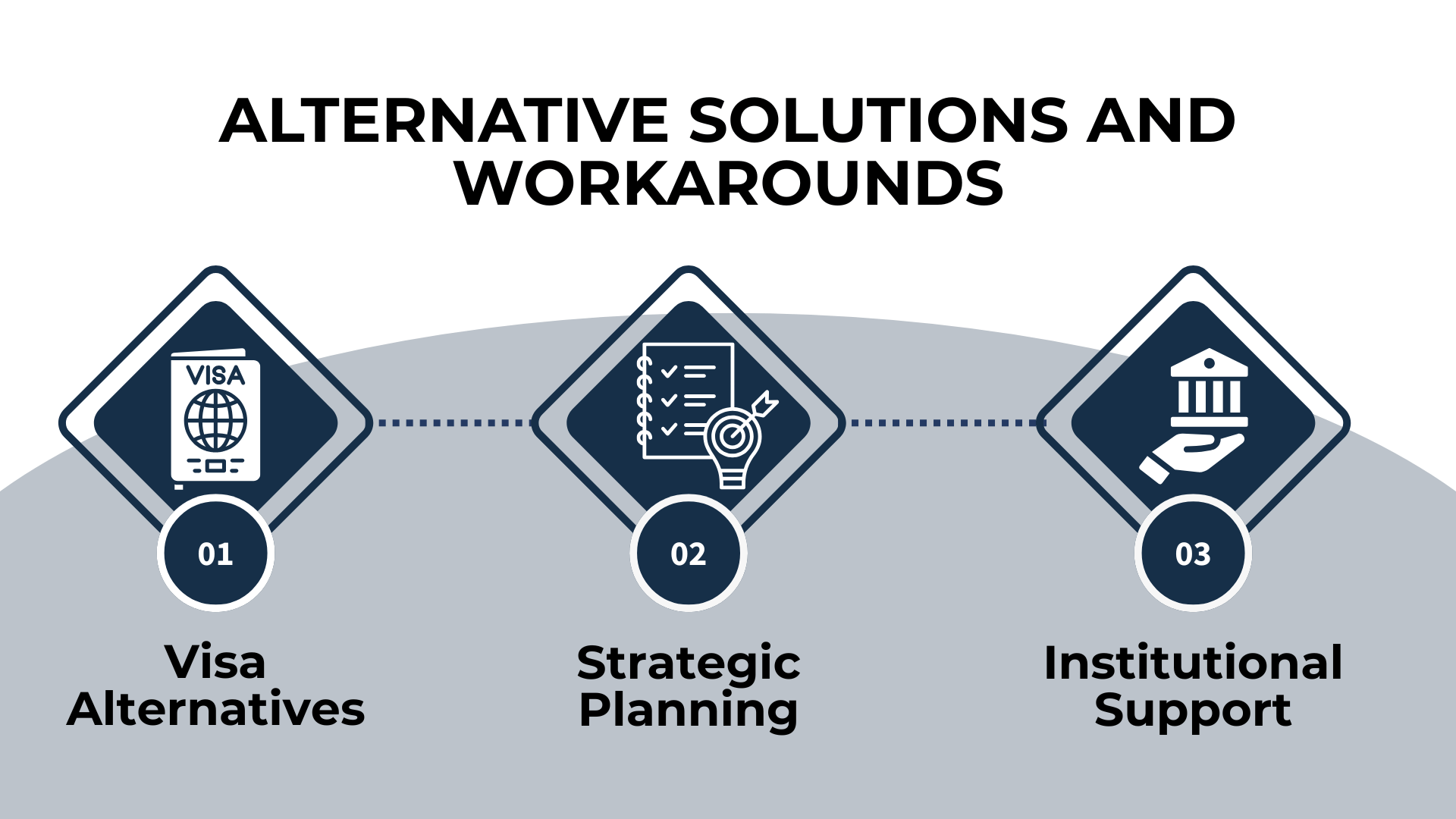
While the current system presents significant barriers, some athletes and institutions are exploring creative solutions within legal boundaries.
Visa Alternatives
Some athletes are exploring alternative visa categories:
- P-1 visas: Designed for internationally recognized athletes, but require proof of international acclaim
- O-1 visas: For individuals with extraordinary ability, though the bar is extremely high for student-athletes
However, these alternatives come with their own challenges, including high eligibility criteria, significant costs, and no guarantee of approval.
Strategic Planning
International athletes can focus on:
- Building their brand without immediate monetization
- Preparing for post-graduation opportunities
- Developing content and relationships that can be monetized after changing visa status
- Exploring opportunities in their home countries during breaks
Institutional Support
Universities can assist by:
- Providing comprehensive education on immigration restrictions
- Offering resources for visa consultations
- Creating non-monetary opportunities for brand building
- Advocating for policy changes at the federal level
The Path Forward: Recent Developments and Future Outlook
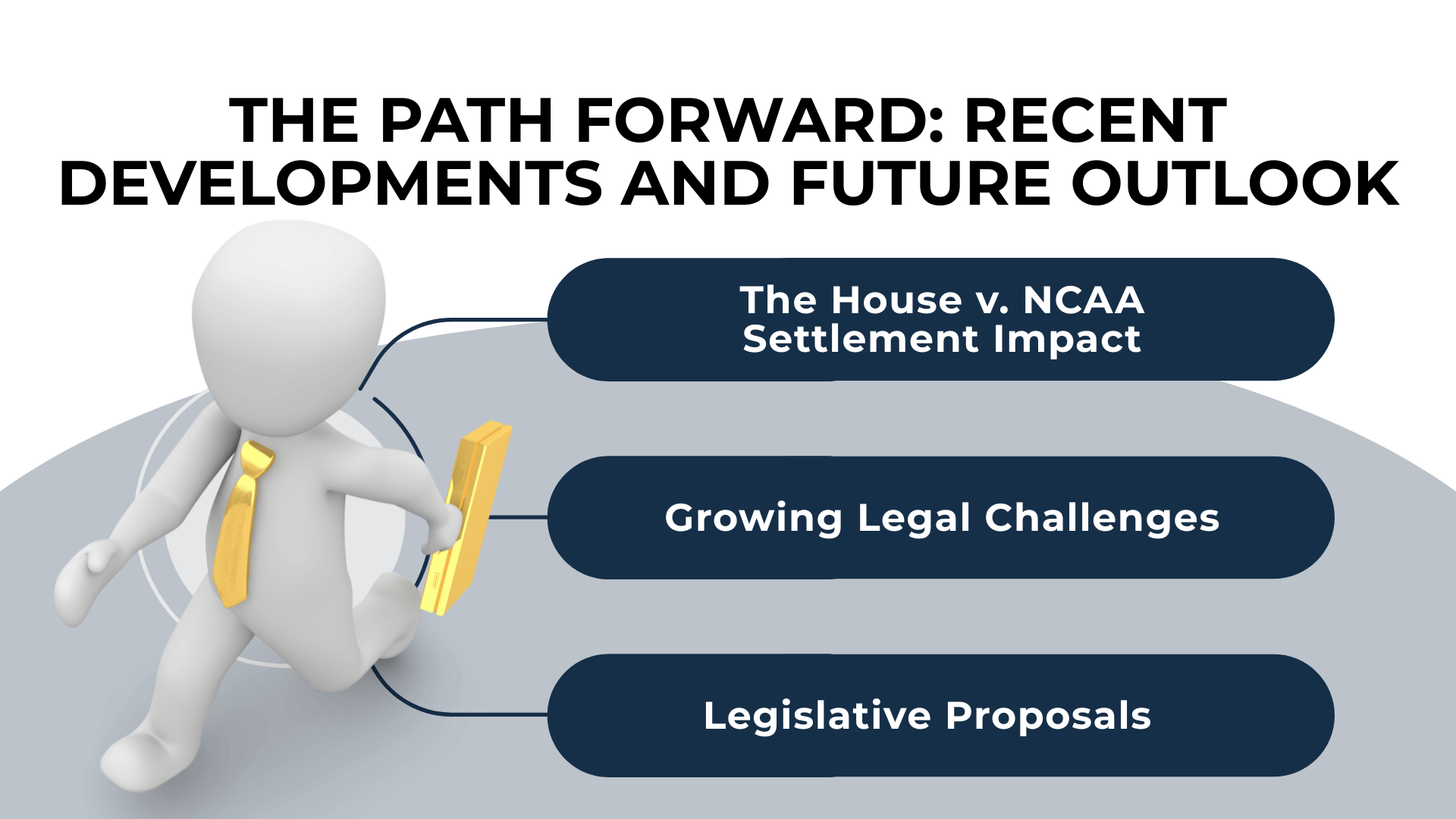
The landscape of international student athlete NIL rights continues to evolve, with several significant developments shaping the future.
The House v. NCAA Settlement Impact
The $2.8 billion settlement finalized in June 2025 allows Division I schools to directly compensate athletes up to $20.5 million annually starting July 1, 2025. However, these payments, structured as royalties, may still be viewed as unauthorized employment for F-1 visa holders, potentially creating even greater disparities.
Growing Legal Challenges
Recent lawsuits signal increasing pressure for change. These cases challenge USCIS decisions and highlight the inequities in the current system. As more athletes pursue legal remedies, courts may force regulatory clarification.
Legislative Proposals
Experts suggest potential solutions including:
- Congressional exemption to the Immigration and Nationality Act
- Creation of a new visa category for student-athletes
- USCIS guidance clarifying NIL activities
While these proposals offer hope, none have gained significant traction as of June 2025.
Practical Steps for Compliance
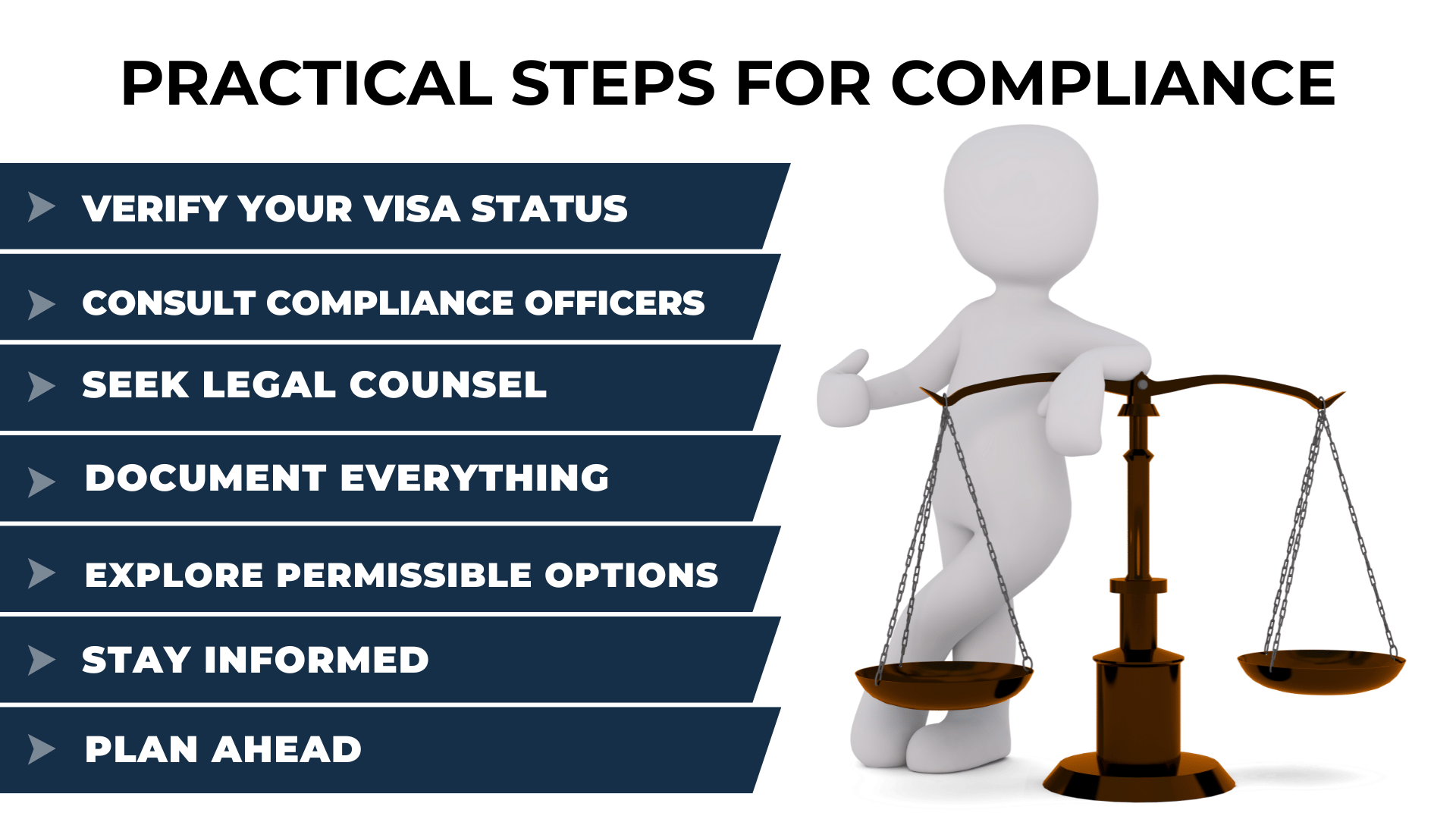
For international student-athletes navigating these challenges, following a structured approach is essential.
Step-by-Step Compliance Process
- Verify Your Visa Status: Confirm your exact visa type with your university’s Designated School Official (DSO)
- Consult Compliance Officers: Work closely with your athletics department’s compliance team
- Seek Legal Counsel: Engage an immigration lawyer experienced in student-athlete issues
- Document Everything: Keep detailed records of all consultations and decisions
- Explore Permissible Options: Investigate passive income or foreign-based opportunities
- Stay Informed: Monitor legal developments and policy changes
- Plan Ahead: Consider long-term visa strategies aligned with your career goals
Building Your Brand Legally
While direct monetization may be restricted, international athletes can:
- Create content showcasing their skills and personality
- Build social media followings
- Network with potential future sponsors
- Develop skills in content creation and marketing
- Participate in unpaid charitable or educational initiatives
Common Pitfalls to Avoid
Understanding what not to do is just as important as knowing permitted activities.
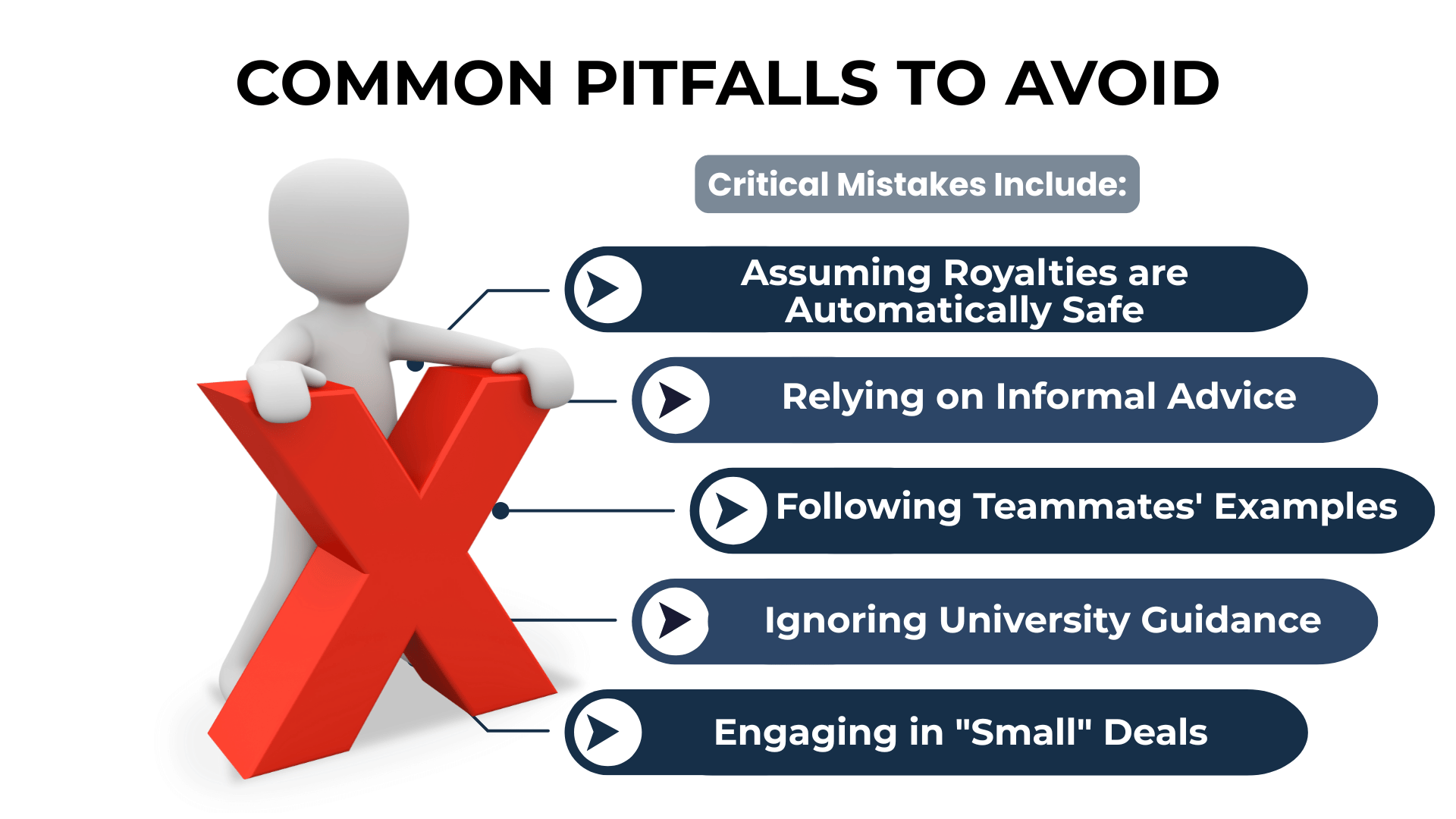
Critical Mistakes
- Assuming Royalties are Automatically Safe: Even royalty structures may be considered employment
- Relying on Informal Advice: Only trust guidance from qualified immigration attorneys
- Following Teammates’ Examples: What’s legal for domestic athletes may violate your visa
- Ignoring University Guidance: Compliance officers exist to protect you
- Engaging in “Small” Deals: Even minor compensation can trigger violations
Risk Management
Always err on the side of caution. The consequences of visa violations far outweigh any short-term financial gains. When in doubt, seek professional guidance rather than risking your academic and athletic career.
Frequently Asked Questions
Q: Can international student-athletes participate in any NIL activities while in the U.S.? A: Generally, no. F-1 visa holders cannot engage in NIL activities within the U.S. as they’re considered unauthorized employment. However, passive income from deals executed entirely outside the U.S. or activities in home countries may be permissible with proper legal consultation.
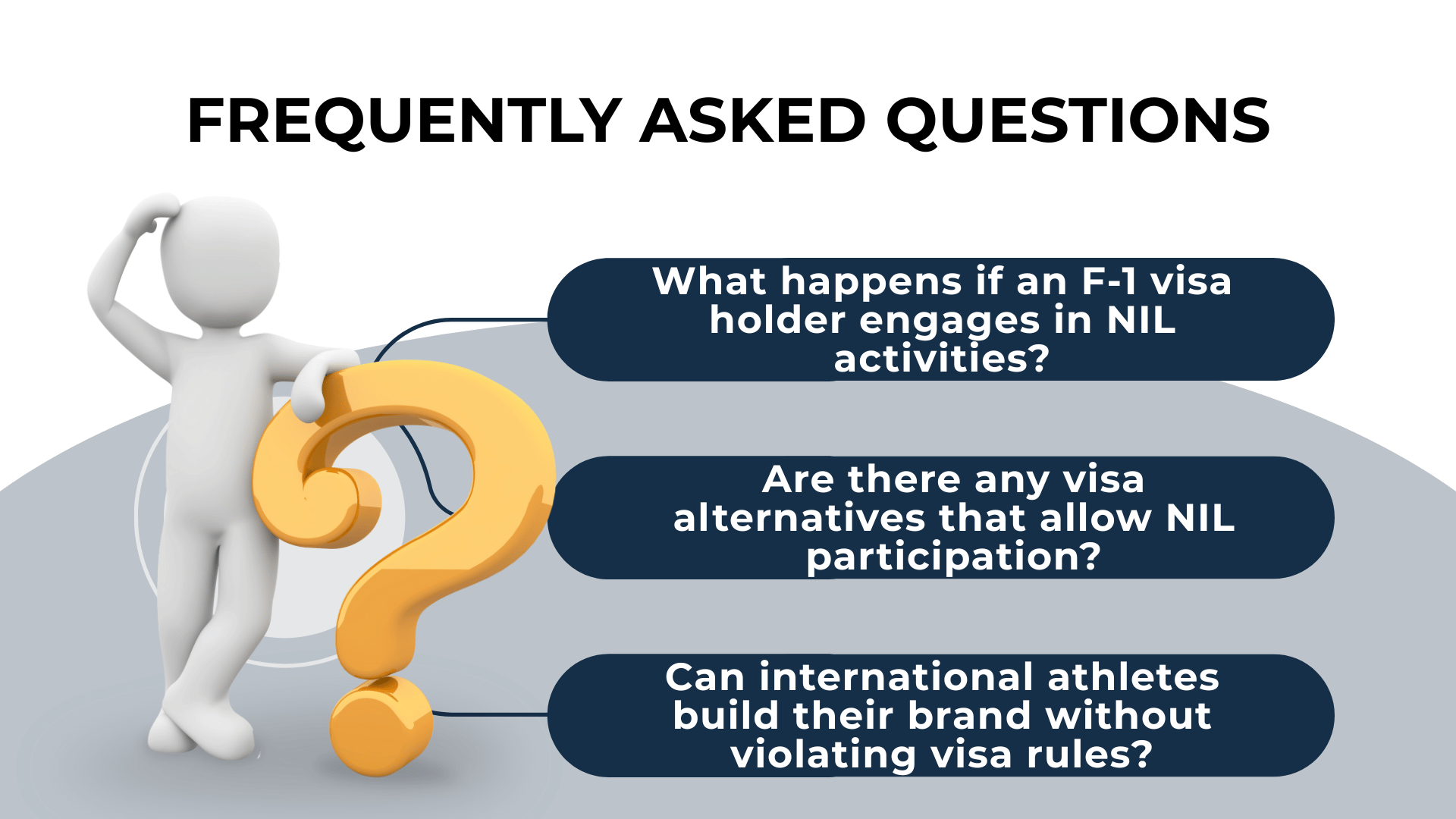
Q: What happens if an F-1 visa holder engages in NIL activities? A: The consequences are severe and may include visa termination, deportation, and bans on future reentry to the U.S. These violations can also impact future immigration applications and career opportunities.
Q: Are there any visa alternatives that allow NIL participation? A: P-1 and O-1 visas may permit NIL activities, but they require proof of international recognition or extraordinary ability, making them inaccessible to most student-athletes. The application process is also costly and complex.
Q: Can international athletes build their brand without violating visa rules? A: Yes, athletes can create content, build social media followings, and network without accepting compensation. These activities can position them for future monetization after graduation or visa status changes.
Conclusion: Taking Action to Protect Your Future
The landscape of international student athlete NIL rights remains complex and challenging. While domestic athletes enjoy new freedoms to profit from their talents, international athletes must navigate restrictive immigration laws that haven’t adapted to modern college athletics.
However, understanding these restrictions and working within legal boundaries can help international athletes maximize their opportunities while protecting their immigration status. The key is taking a proactive, informed approach rather than risking violations that could derail promising careers.
If you’re an international student-athlete facing these challenges, don’t navigate this complex landscape alone. Consider taking these immediate steps:
- Schedule a consultation with an experienced immigration attorney specializing in student-athlete issues
- Meet with your university’s compliance office to understand institutional policies
- Document your current situation and any potential NIL opportunities you’re considering
- Develop a long-term strategy that aligns with your athletic and professional goals
The intersection of immigration law and NIL rights requires specialized expertise. Professional legal guidance can help you understand your options, avoid costly mistakes, and position yourself for future success. Contact a qualified immigration attorney today to discuss your specific situation and develop a personalized strategy that protects your visa status while maximizing your opportunities within the law.
Your athletic talents deserve recognition and compensation. With the right legal support, you can work toward a future where your immigration status doesn’t limit your potential.