Going through a divorce is already emotionally challenging without worrying about whether a judge might deny your request. If you’re wondering “can a judge deny a divorce,” the short answer is yes—but it’s uncommon. Understanding when and why this might happen can help you navigate the process more confidently.
The Reality of Divorce Denial in Modern Family Law
In today’s legal landscape, most U.S. states operate under no-fault divorce laws, which means you don’t need to prove wrongdoing by your spouse to end your marriage. You can simply cite “irreconcilable differences” or state that the marriage is “irretrievably broken.”
This framework makes it challenging for judges to deny divorce requests outright. When one spouse wants to end the marriage, courts generally acknowledge that desire as evidence the relationship cannot continue.
Key Takeaway
While judges have some discretion to deny or delay a divorce, outright denial is rare due to the prevalence of no-fault divorce laws across the United States.

Primary Reasons a Judge Might Deny Your Divorce
1. Marriage Counseling Requirements
In some states, judges may require couples to attend marriage counseling if they believe reconciliation is possible. This is more likely when:
- Children are involved
- The marriage has been long-term
- The separation period has been brief
For example, in Texas, judges can order counseling but rarely deny divorces outright.
2. Technical and Procedural Errors
Common mistakes that can lead to denial include:
- Incorrect or incomplete divorce paperwork
- Failure to meet state residency requirements (such as living in the state for six months in California)
- Improper service of divorce papers to your spouse
The good news? These issues can typically be corrected, allowing you to refile.
3. Unresolved Legal Issues
Judges may delay or deny divorce if critical matters remain unsettled:
- Child custody arrangements
- Child support agreements
- Property division disputes
Courts prioritize the best interests of children and fair asset division, which may require mediation or court hearings before proceeding.
4. Mental Incapacity Concerns
If one spouse is mentally incapacitated and lacks adequate representation (such as through a guardian), the court may delay proceedings to protect their rights. In Florida, for instance, mental incapacity lasting over three years can be grounds for divorce but may complicate the process.
5. Insufficient Grounds in Fault-Based Systems
While less common today, some states still allow fault-based divorce. In these cases, you must prove grounds like:
- Adultery
- Cruelty
- Abandonment
If evidence is insufficient, the judge may deny the divorce. However, since all states now offer no-fault options, this scenario is increasingly rare.
6. Unfair Settlement Agreements
Judges will not approve divorces with inequitable terms, such as:
- Grossly unequal property division
- Inadequate spousal support arrangements
- Agreements that don’t protect one spouse’s rights

Understanding State Variations
While no-fault divorce is standard nationwide, specific practices vary by state:
State | Unique Considerations |
| Missouri | Judges may deny divorce if they believe the marriage isn’t irretrievably broken (though uncommon) |
| Florida | Unresolved child custody or support issues can lead to denial |
| Texas | Counseling may be ordered, but denial remains rare |
| California | No-fault divorce allows dissolution even if one spouse objects, provided residency requirements are met |

Special Considerations When Children Are Involved
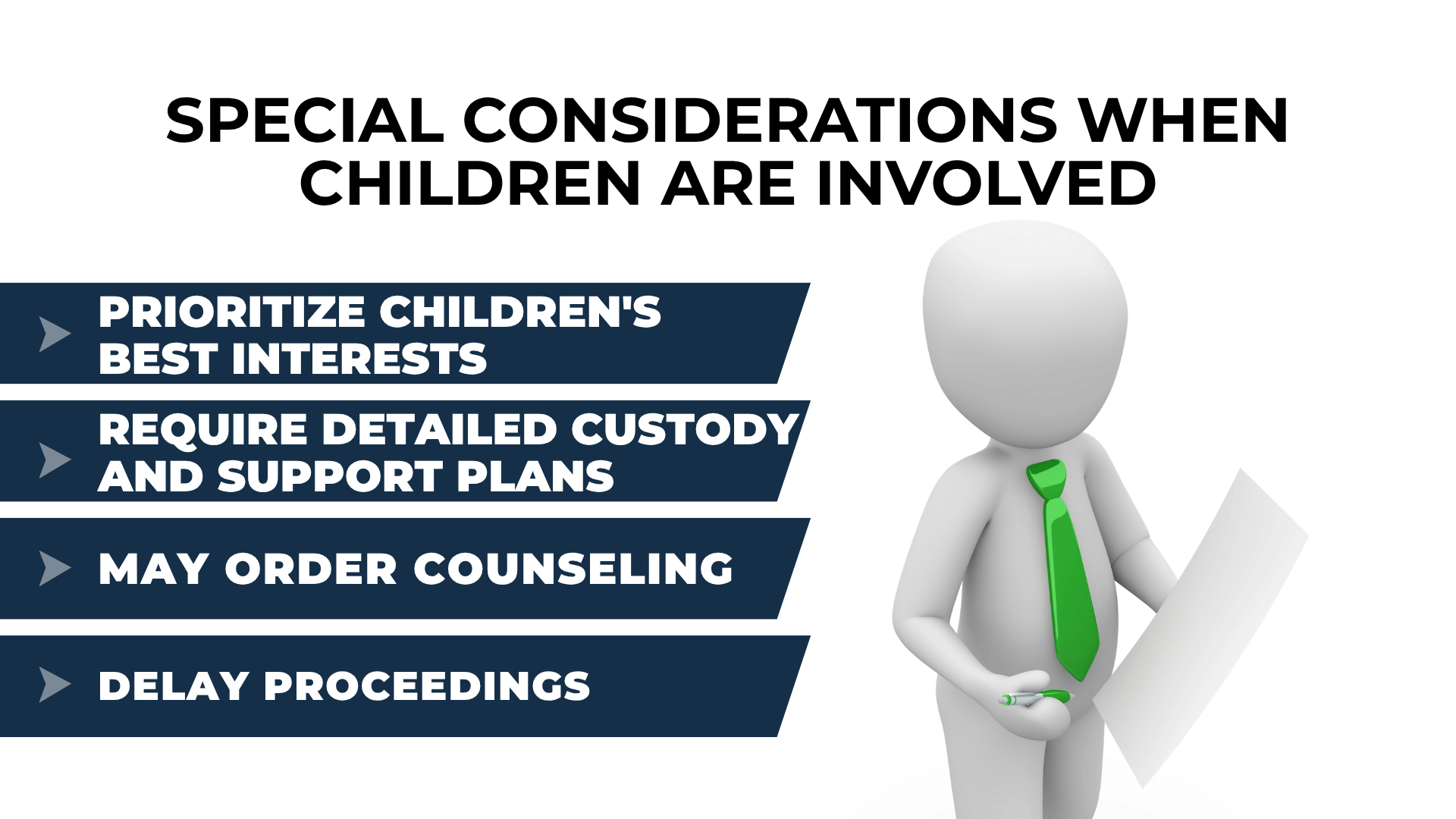
Judges take a more active role when minor children are part of the divorce proceedings. Courts will:
- Prioritize children’s best interests above all else
- Require detailed custody and support plans before granting divorce
- May order counseling if they believe it could benefit the children
- Delay proceedings until child-related disputes are resolved
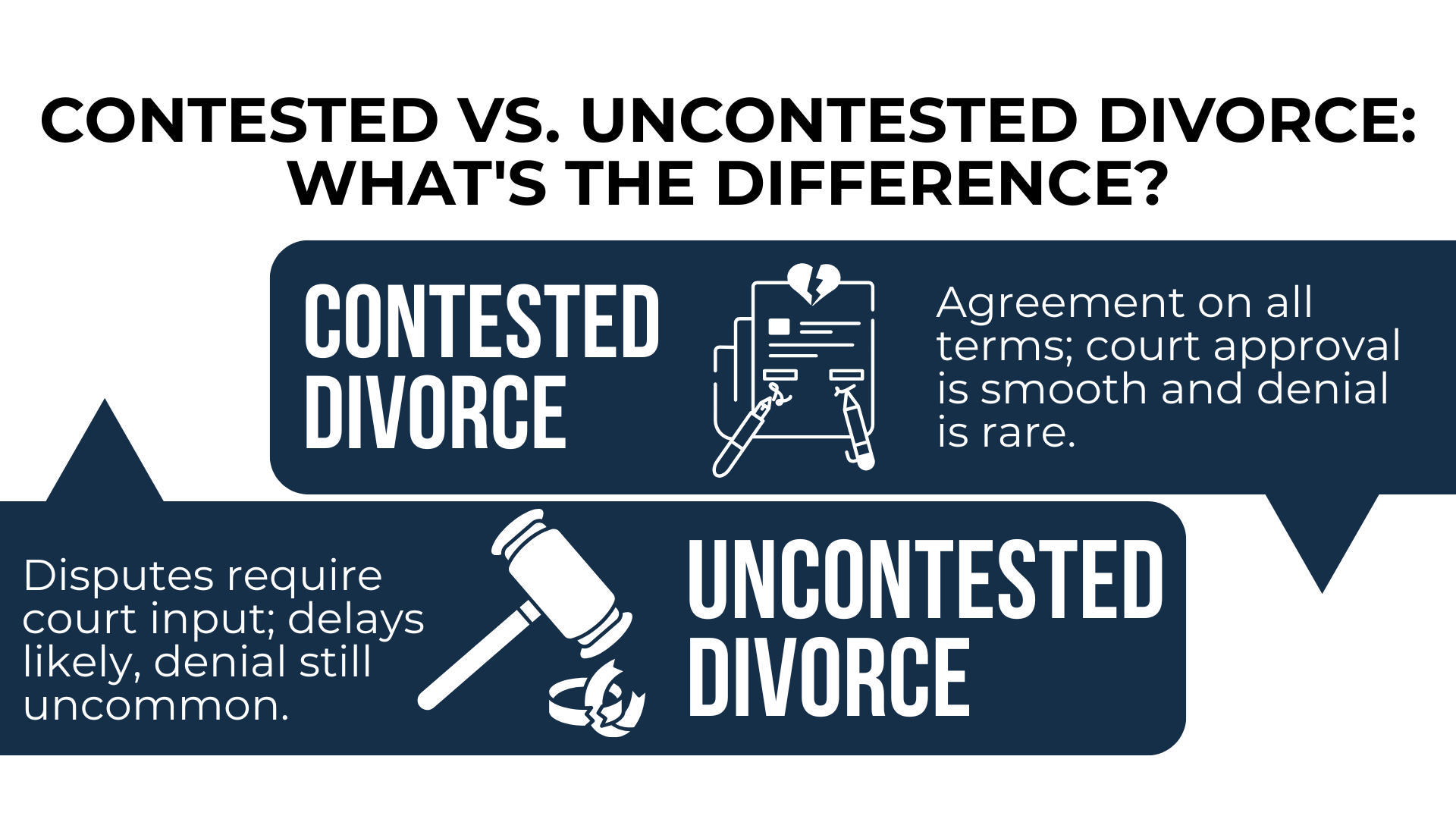
Contested vs. Uncontested Divorce: What’s the Difference?
Uncontested Divorce
- Both spouses agree on all terms
- Denial is unlikely if the agreement is fair
- Faster, less expensive process
- Court approval is typically straightforward
Contested Divorce
- Disagreements exist on key issues
- Increased judicial discretion
- May require mediation, arbitration, or trial
- Higher likelihood of delays (though not necessarily denial)
Frequently Asked Questions
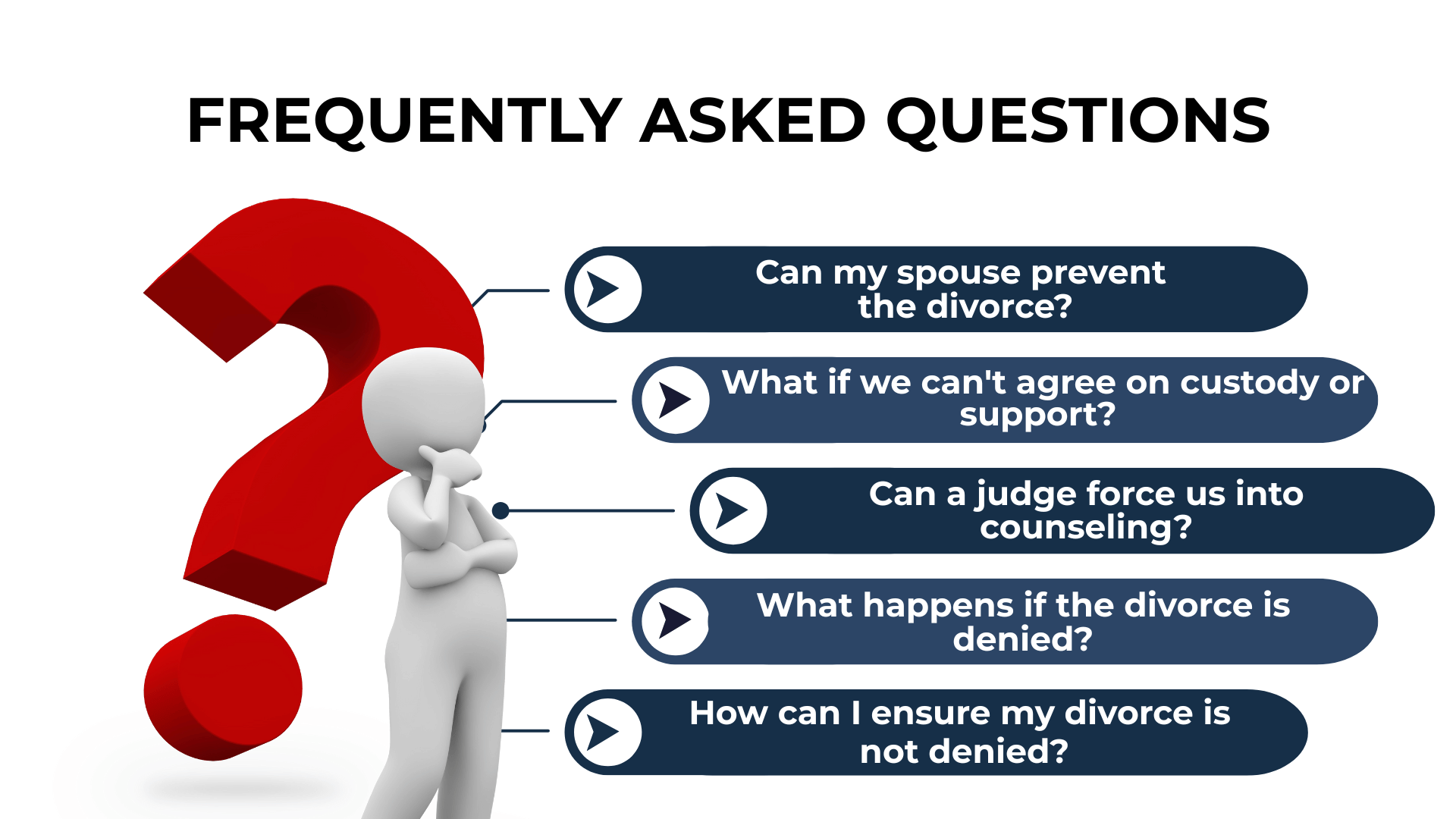
Can my spouse prevent the divorce? In most states, one spouse cannot prevent a divorce in a no-fault system. Contesting terms may delay the process but not stop it.
What if we can’t agree on custody or support? The judge may delay the divorce until these issues are resolved through mediation, arbitration, or a court ruling.
Can a judge force us into counseling? Yes, in some states, but this is rare and typically occurs if the judge believes the marriage can be saved.
What happens if the divorce is denied? The couple remains legally married. They must address the reasons for denial (e.g., correct paperwork, resolve disputes) and may need to refile.
How can I ensure my divorce is not denied? Ensure accurate paperwork, meet residency requirements, resolve disputes, and present a fair settlement agreement. Consulting an attorney can help.
Practical Steps to Avoid Divorce Denial
- Complete all paperwork accurately and thoroughly
- Verify you meet your state’s residency requirements
- Properly serve divorce papers to your spouse
- Work toward resolving disputes before court
- Ensure settlement agreements are fair to both parties
- Consider hiring a family law attorney for guidance

The Bottom Line
While judges can technically deny divorces, it’s important to remember:
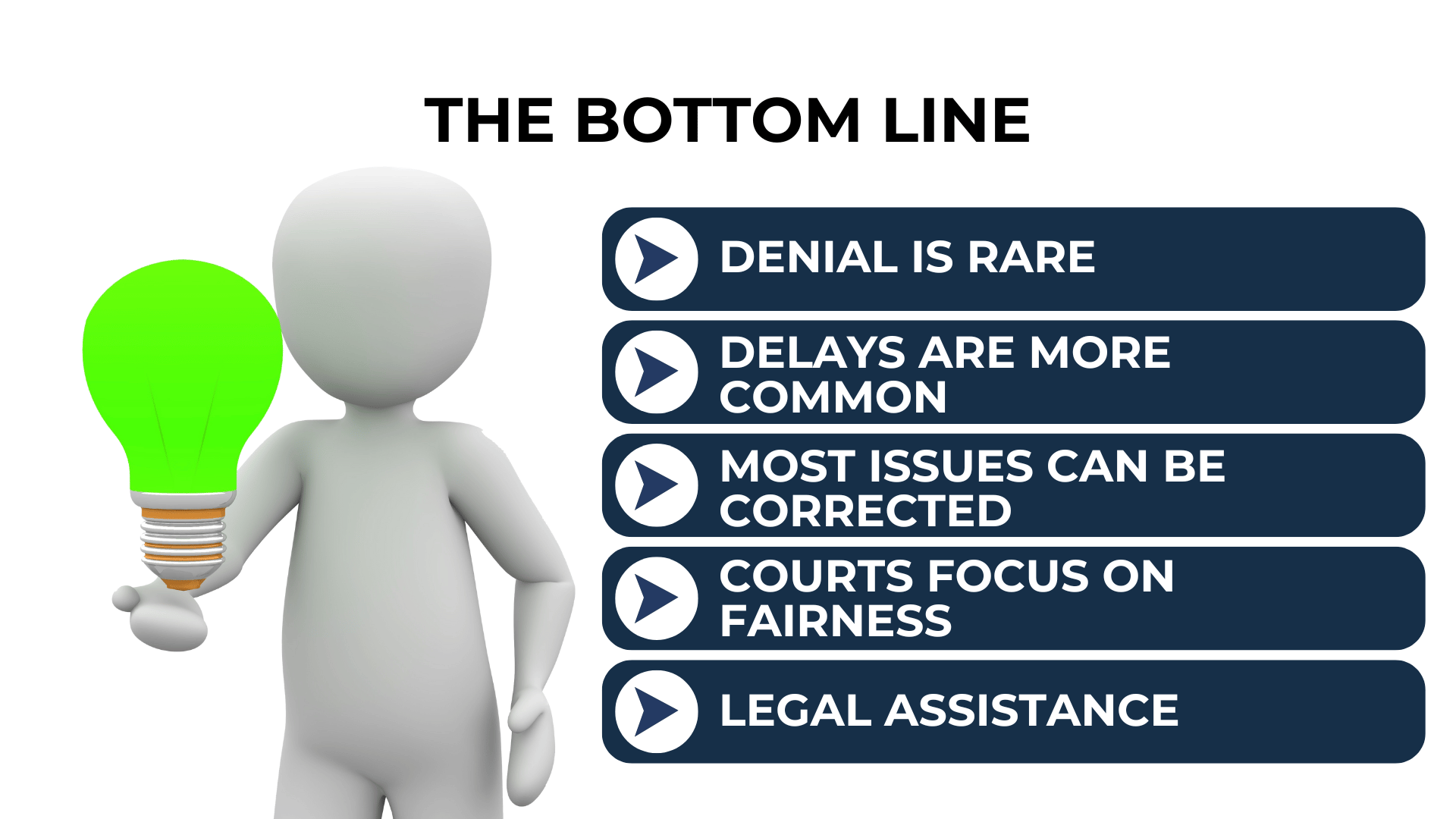
- Denial is rare due to no-fault divorce laws
- Delays are more common than outright denials
- Most issues leading to denial can be corrected
- Courts focus on fairness and children’s best interests
- Legal assistance can help navigate state-specific requirements
Moving Forward with Confidence
Understanding the divorce process and potential obstacles can help reduce anxiety during this challenging time. Remember that the court’s primary goals are ensuring fairness, protecting children’s interests, and following proper legal procedures.
If you’re concerned about your divorce being denied, consulting with a family law attorney can provide peace of mind and help you avoid common pitfalls. They can guide you through your state’s specific requirements and help ensure your divorce proceeds smoothly.
While the possibility of denial exists, with proper preparation and understanding of the process, most couples can successfully navigate their divorce proceedings and move forward with their lives.